• Norway’s Fjords: A Luxury Journey Through Scandinavia’s Most Spectacular Landscapes

    Morning light reaches the steep cliffs and waterfalls of Nærøyfjord as a low-emission vessel moves through calm water.

    Morning arrives gradually on the Nærøyfjord.

    The first light catches the upper ridges before it reaches the water. Waterfalls descend from cliffs that seem too steep for farms, yet small buildings still appear above the shoreline. From the open deck of a quiet vessel, the fjord narrows, the mountains rise, and conversation gives way to attention.

    This is one of Norway’s great travel lessons: the landscape becomes more powerful when the itinerary leaves room to notice it.

    A fjord journey can be a string of famous sights. It can also become something more coherent: a passage from city to mountain plateau, railway to water, and historic hotel to orchard village. For couples and milestone travelers, that second approach often feels far more luxurious. The value lies in good pacing, informed choices, and the freedom to be present.

    Norway has many fjords, and they do not offer the same experience. Some are narrow and vertical. Others open into wide landscapes of fruit farms, waterfalls, and villages. Some reward strong hikers; others are best appreciated from a train window, a private boat, or a terrace beside the water. Choosing well matters more than trying to include them all.

    This guide compares the major regions and offers a realistic 7-10 day framework for experiencing Fjord Norway without reducing it to a checklist.

    Why Norway’s Fjords Feel So Distinctive

    A fjord is a deep valley shaped by glaciers and later filled by the sea. In western Norway, that history remains visible in steep rock walls, hanging valleys, waterfalls, and deep basins.

    Two landscapes, Geirangerfjord and Nærøyfjord, form the UNESCO-listed West Norwegian Fjords. UNESCO describes them as classic and complementary examples of fjord geography, valued for their scale, geology, waterfalls, forests, glaciers, and comparatively limited human alteration. That recognition is not simply an accolade. It is a reminder that travelers are entering a living landscape whose integrity depends on careful management and respectful use. UNESCO’s West Norwegian Fjords overview provides the clearest authority on the designation.

    Fjord villages developed around fishing, farming, fruit cultivation, maritime trade, and mountain routes. Historic hotels welcomed artists, anglers, and early adventure travelers. Today, railways, ferries, electric sightseeing vessels, and local operators make it possible to travel without treating the road as the only option.

    For luxury travelers, the real opportunity is to connect these elements thoughtfully. A journey might begin with the Bergen Line across the mountain plateau, descend on the Flåm Railway, continue by boat through Nærøyfjord, and end in a heritage hotel where dinner reflects the surrounding region. The route itself becomes part of the experience.

    In Norway, luxury is often the art of moving well through a landscape that does not need embellishment.

    Which Norwegian Fjord Is Right for You?

    There is no single “best” Norwegian fjord. The right choice depends on the experience you want: iconic scenery, a rail-and-water route, food and orchards, challenging hikes, or a quieter stay near small communities.

    Sognefjord: Best for a Grand, Layered First Journey

    Sognefjord is Norway’s longest fjord and the backbone of one of the country’s most varied fjord regions. Its branches reach toward Jotunheimen and Jostedalsbreen, while villages such as Aurland, Flåm, and Balestrand offer different ways to settle into the landscape. Fjord Norway’s Sognefjord guide is a useful starting point for regional planning.

    Sognefjord connects naturally with Oslo, Bergen, the Bergen Line, and the Flåm Railway. A journey can pair a boutique farm stay in Aurland with a historic waterfront hotel in Balestrand and an electric sailing through a narrow fjord arm.

    Choose Sognefjord if you want breadth without constant relocation.

    Nærøyfjord: Best for Intimate Scale and a Rail-to-Water Experience

    A modern electric sightseeing vessel passes beneath the steep cliffs of Nærøyfjord.

    Nærøyfjord, a branch of Sognefjord and half of the UNESCO property, is known for narrow proportions, steep walls, waterfalls, and farms above the water.

    It is also one of the easiest fjords to connect with a scenic rail itinerary. Travelers can leave the Bergen Line at Myrdal, descend to Flåm on the Flåm Railway, and continue by boat between Flåm and Gudvangen. The official regional listing notes that the Future of The Fjords operates as a fully electric vessel and that both it and the hybrid Vision of The Fjords use battery power through the most sensitive sections. Fjord Cruise Nærøyfjord provides current operating information.

    To experience this popular route well, stay in the area rather than treating Flåm as a transfer point. An early sailing, a night in Aurland, and time at Stegastein change its character.

    Choose Nærøyfjord if you want the most seamless combination of train, boat, and close-range scenery.

    Geirangerfjord: Best for Waterfalls and the Classic Fjord Panorama

    Geirangerfjord, the other half of the UNESCO property, is the classic panorama: steep green walls, abandoned high farms, and waterfalls descending toward deep water.

    The experience can be extraordinary, but timing matters. Geiranger is a small community that receives substantial seasonal traffic. A private or small-group boat, an overnight stay, and carefully chosen hours at viewpoints such as Flydalsjuvet or Ørnesvingen can create a very different experience from a rushed midday visit.

    It suits a route combining Ålesund, Sunnmøre, and a historic stay at Øye. It is less naturally connected to the Oslo-Flåm-Bergen corridor, so give it dedicated time. Fjord Norway’s Geirangerfjord guide offers a current regional overview.

    Choose Geirangerfjord if iconic waterfall scenery is a priority and you are willing to design around peak visitor periods.

    Hardangerfjord: Best for Orchards, Cider, Waterfalls, and a Softer Pace

    Hardangerfjord offers a different rhythm. Orchards, villages, and farms soften the mountain scenery. Spring brings blossom; later, apples and cider connect the landscape with regional agriculture.

    It suits travelers who value food, accessible walks, and longer stays. Lofthus makes a strong base for fjord views, orchard paths, waterfalls, and scenic roads.

    Hardanger is compelling for texture, seasonality, and the relationship between people and place. Fjord Norway’s Hardanger guide highlights its orchards, waterfalls, scenic routes, and stays.

    Choose Hardangerfjord if local food, gardens, waterfalls, and a relaxed hotel stay matter as much as the headline view.

    Lysefjord: Best for Hikers and Architectural Stays Near Stavanger

    Lysefjord is defined by granite walls and the Preikestolen and Kjerag hikes. It fits active travelers who want a physical experience.

    Preikestolen rises 604 meters above the fjord. The standard round-trip hike is about eight kilometers and commonly takes around four hours, though weather, trail conditions, and individual ability always matter. A guide is a wise choice outside straightforward summer conditions. Travelers who prefer not to hike can still appreciate the formation from a fjord cruise. The official Preikestolen listing includes route and safety guidance.

    This region works best as a Stavanger-based chapter rather than an extra stop between Bergen and Ålesund.

    Choose Lysefjord if hiking is central to the journey.

    Hjørundfjord: Best for Quiet Grandeur and Historic Hospitality

    The Sunnmøre Alps rise above Hjørundfjord near the small village of Øye in evening light.

    Hjørundfjord cuts between the Sunnmøre Alps south of Ålesund. Some communities are reached most naturally by boat, and the route toward Øye feels separate from busier circuits. Guided hiking, kayaking, and unstructured hotel time all suit the setting.

    Hotel Union Øye, which has welcomed guests since 1891, gives the region a strong sense of travel history. The hotel and surrounding villages are not merely a base for seeing another fjord; they are part of the story. Fjord Norway’s Hjørundfjord guide explains the area’s villages, seasonal boat access, and relationship to the Sunnmøre Alps.

    Choose Hjørundfjord if you value atmosphere, heritage, and fewer transitions over collecting famous names.

    A Practical Comparison of the Major Fjords

    FjordBest forIdeal gatewayTravel styleImportant consideration
    SognefjordA comprehensive first fjord journeyOslo, Myrdal, or BergenRail, boat, private transferThe region is large; choose two bases rather than moving daily
    NærøyfjordNarrow UNESCO sceneryFlåm or GudvangenFlåm Railway plus electric or hybrid cruiseStay overnight to avoid experiencing it only at peak transfer hours
    GeirangerfjordWaterfalls and iconic viewpointsÅlesundSmall boat, private driver, scenic roadSeasonal visitor volume requires careful timing
    HardangerfjordOrchards, cider, waterfalls, and hotel timeBergenPrivate transfer, ferry, seasonal boatBest for travelers who enjoy cultural landscape as much as vertical cliffs
    LysefjordHiking and granite formationsStavangerGuided hike and fjord cruiseWeather and ability should determine the hiking plan
    HjørundfjordHeritage, quiet villages, and mountain scaleÅlesund or ØyeBoat, private transfer, guided activitiesSeasonal transport should be confirmed before finalizing the route

    Not sure which fjord fits your travel style? Begin with a thoughtful Norway planning conversation.

    The Most Rewarding Ways to Travel Through Fjord Norway

    Let the Railway Become Part of the Journey

    The Bergen Line connects Oslo and Bergen across high mountain terrain, with Myrdal as the connection for the Flåm Railway. Forest gives way to plateau as the line crosses Hardangervidda. Vy describes the Bergen Line and provides current operating details.

    At Myrdal, the Flåm Railway descends through waterfalls, tunnels, and steep slopes toward Aurlandsfjord. Reserve and check schedules well in advance, particularly in summer.

    Treat the connection as a full travel day. Luggage support and well-timed transfers keep it from becoming a race between platforms.

    Use Boats for Perspective, Not Just Transportation

    Water reveals the fjords’ height and shape in a way roads cannot. Local ferries, seasonal express boats, excursions, and private charters serve different purposes.

    A private boat offers flexibility, but it is not automatically the most responsible choice. Vessel type, local rules, route, wildlife practices, and operator knowledge matter. A scheduled electric sailing may offer the better experience.

    Use Private Transfers Selectively

    Private road travel is most valuable when it simplifies a difficult connection or reaches places public transport does not serve efficiently. It should not turn every day into a long drive.

    Mountain weather, ferries, road works, and seasonal closures affect timing. A good driver-guide adds interpretation and judgment that map estimates cannot.

    The best fjord itinerary is not the one that covers the most distance. It is the one in which every transition adds to the experience.

    A Suggested 10-Day Luxury Fjord Itinerary

    This framework combines the Sognefjord system with Bergen and the Sunnmøre region. It is intentionally selective. Exact rail, boat, flight, ferry, and road schedules change by season and should be verified for the travel dates.

    Day 1: Arrive in Oslo

    Settle into a central hotel and keep the first day light. A private architectural or cultural walk can introduce Norway without placing too much structure around arrival. Early sleep is more valuable than an overfilled evening.

    Day 2: Bergen Line to Myrdal and Flåm Railway to Aurland

    Travel by train to Myrdal, descend to Flåm, and continue to Aurland. Consider 29/2 Aurland, subject to seasonal operation and availability.

    Day 3: Nærøyfjord and Stegastein

    Take an early electric or hybrid sailing through Aurlandsfjord and Nærøyfjord. Visit Stegastein when light and visitor patterns are favorable, then leave the evening unstructured.

    Day 4: Aurland to Balestrand

    Continue by seasonal express boat or a planned transfer-and-ferry route. Stay in Balestrand at Kviknes Hotel or another fjord-facing property.

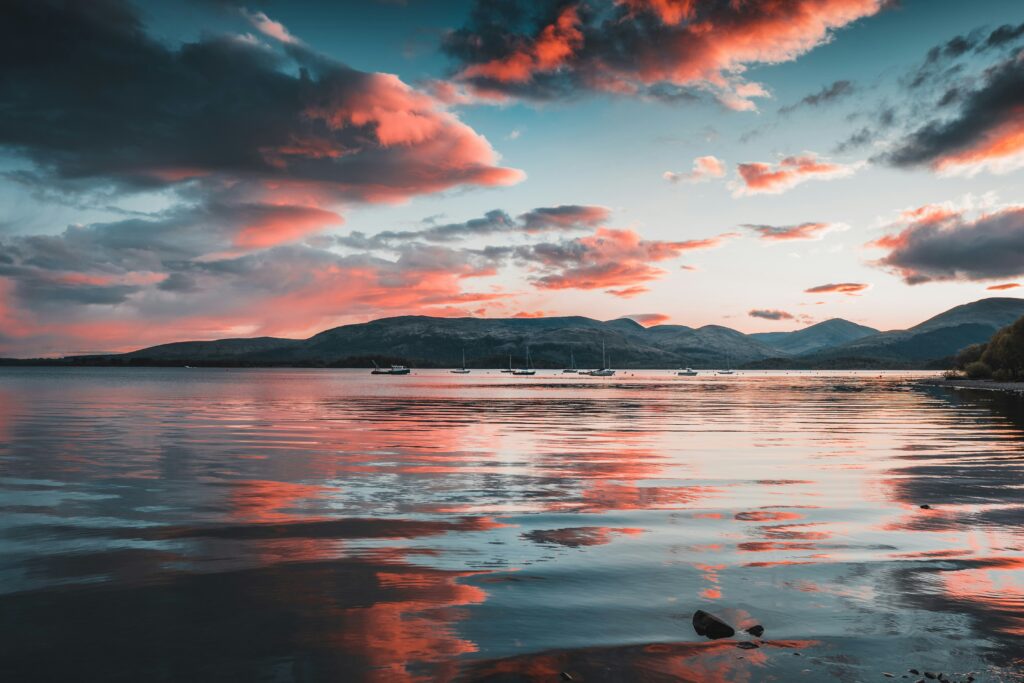
    Small boats and waterfront buildings in Balestrand sit beneath the mountains of Sognefjord in evening light.

    Day 5: Balestrand at a Slower Pace

    Choose one activity: a guided walk, small-boat outing, cultural visit, or cider experience. The point of two nights is to experience the village after day visitors leave.

    Day 6: Balestrand to Bergen

    Continue by seasonal express boat or private transfer. Check into a central heritage hotel, walk Bryggen with a guide, and dine around regional seafood and produce.

    Day 7: Bergen

    Consider a history-and-food walk, the KODE museums, or Mount Fløyen outside the busiest hours. Bergen gives the journey essential maritime context.

    Day 8: Bergen to Ålesund and the Sunnmøre Region

    Fly to Ålesund. Continue to Storfjord Hotel for seclusion or Hotel Union Øye for historic character. Let the property choice determine the next day’s plan.

    Day 9: Hjørundfjord or Geirangerfjord

    Explore Hjørundfjord with a local guide or small boat. Travelers prioritizing Geirangerfjord should plan a dedicated day. Do not attempt both fjords deeply in one day.

    Day 10: Depart from Ålesund

    Transfer to Ålesund Airport. If flight timing permits, include a short architectural walk in Ålesund rather than another major excursion.

    If You Have Only Seven Days

    Choose one geographic cluster:

    1. Classic rail-and-fjord route: Oslo, Aurland or Flåm, Nærøyfjord, Balestrand, and Bergen.
    2. Sunnmøre route: Ålesund, Hjørundfjord, Øye, and Geirangerfjord.

    Trying to combine both in seven days creates too many transfers and too little time in the landscapes you traveled so far to experience.

    Luxury Accommodations That Strengthen the Journey

    The right property should do more than provide a beautiful room. It should reduce unnecessary movement, connect guests with the region, and give the day a satisfying beginning and end.

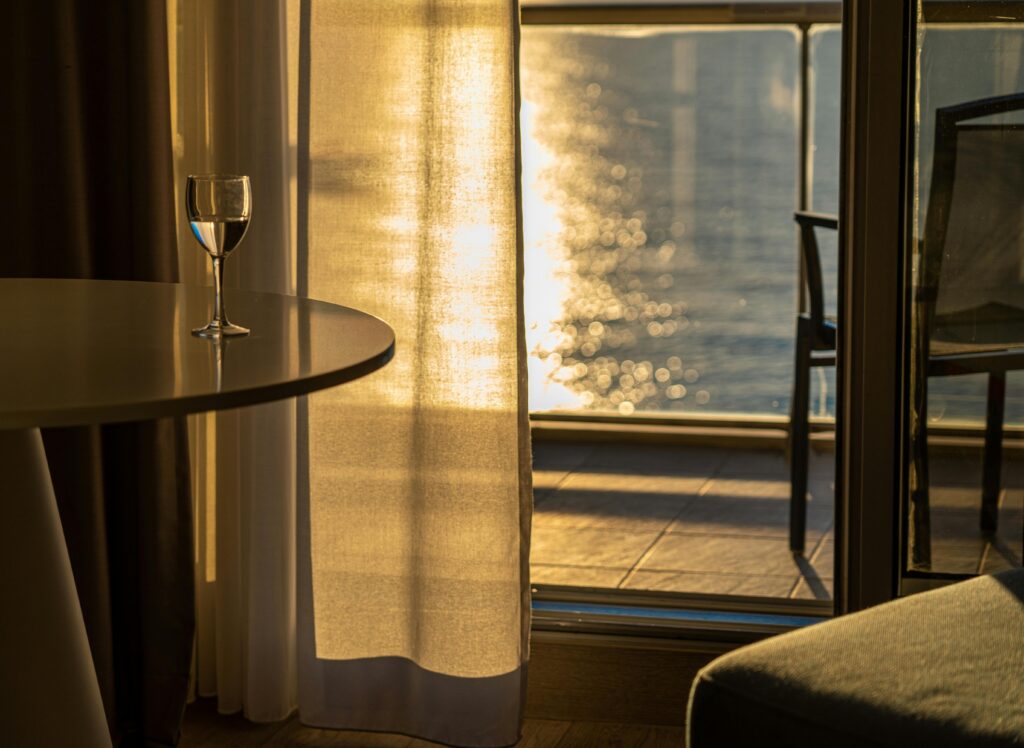
    Firelight warms a historic-style Norwegian hotel sitting room overlooking a dark fjord and mountain.

    29/2 Aurland

    This family-run boutique property occupies historic farm buildings in Aurland. Its small scale and valley setting suit travelers who want privacy and a host-led sense of place. 29/2 Aurland

    Kviknes Hotel, Balestrand

    Owned by the Kvikne family since 1877, this historic hotel combines a Swiss-style heritage building with later additions. Prioritize the historic building and a fjord view when available. Kviknes Hotel

    Opus XVI, Bergen

    In a listed 1876 building, Opus XVI interprets its connection to composer Edvard Grieg through design and storytelling near Bergen’s historic center. Opus XVI

    Hotel Ullensvang, Lofthus

    Hotel Ullensvang offers fjord views, gardens, and access to the orchard landscape around Lofthus. Allow time to enjoy the property. Hotel Ullensvang

    Storfjord Hotel

    This secluded log-built hotel overlooks Storfjord and the Sunnmøre Alps. It offers privacy and a restorative pause near Ålesund. Storfjord Hotel

    Hotel Union Øye

    Hotel Union Øye has welcomed guests since 1891. Its historic character and Hjørundfjord location make the stay part of the destination. Hotel Union Øye

    Hotel operations, room categories, inclusions, and seasonal access can change. Confirm current details rather than relying on an older list of amenities.

    We match the property to the rhythm of the journey, not simply to a rating.

    When to Visit the Norwegian Fjords

    Late May to Early June

    This period can bring strong waterfalls, fresh green landscapes, and orchard bloom in parts of Hardanger. Some high mountain roads and trails may still face snow or limited access. It is an appealing time for travelers who can accept variable conditions and want to avoid the height of summer.

    Mid-June Through August

    Long daylight, broad seasonal operation, and the widest activity choice make summer the easiest period for a first fjord journey. It is also the busiest. The solution is not to avoid every well-known place, but to plan overnight stays, earlier departures, and less congested hours.

    September

    Early autumn can offer softer light, orchard harvest, and a calmer pace. Seasonal boats and hotels may reduce service as the month progresses, so the route must be built around confirmed operations.

    October Through April

    Winter travel can be rewarding in Bergen, Oslo, on the railways, and at selected year-round properties. It is not the same trip as a classic summer fjord circuit. Daylight, weather, road closures, limited boat schedules, and closed seasonal hotels change what is realistic. Build a winter itinerary for winter rather than forcing a summer plan into a different season.

    Photography Locations Worth Planning Around

    Good fjord photography depends as much on timing as location.

    The Stegastein viewing platform extends above Aurlandsfjord in soft early-autumn light.

    Stegastein, Aurland

    This platform projects above Aurlandsfjord and creates a strong sense of depth. Favor morning, evening, or quieter shoulder-season periods. Stegastein viewpoint

    The Open Deck on Nærøyfjord

    Photographing from water communicates the height of cliffs and scale of farms. Protect equipment from spray and do not block shared deck space.

    Flydalsjuvet and Ørnesvingen

    These viewpoints offer different Geirangerfjord perspectives. A driver-guide can sequence them around light, roads, and visitor levels.

    Balestrand

    Reflections, architecture, boats, and changing weather provide subtler images. Stay overnight to photograph beyond midday.

    Lofthus and the Hardanger Orchard Landscape

    Spring blossom and autumn fruit create a strong foreground. Ask permission before entering orchards or photographing people at work.

    Bergen at Blue Hour

    Mount Fløyen and Bryggen bridge the city and fjord landscape. Rain and low cloud often add atmosphere.

    Drone pilots must follow Norwegian registration, altitude, distance, privacy, and no-fly rules. Avinor states that most operators must register, flights must remain within visual line of sight, drones cannot exceed 120 meters from the nearest point on the ground, and airport restrictions apply. Always verify current rules and local protected-area limits before flying. Avinor drone rules

    How to Travel More Responsibly in the Fjords

    Responsible travel is not a separate activity added to the end of an itinerary. It is a series of choices built into the route.

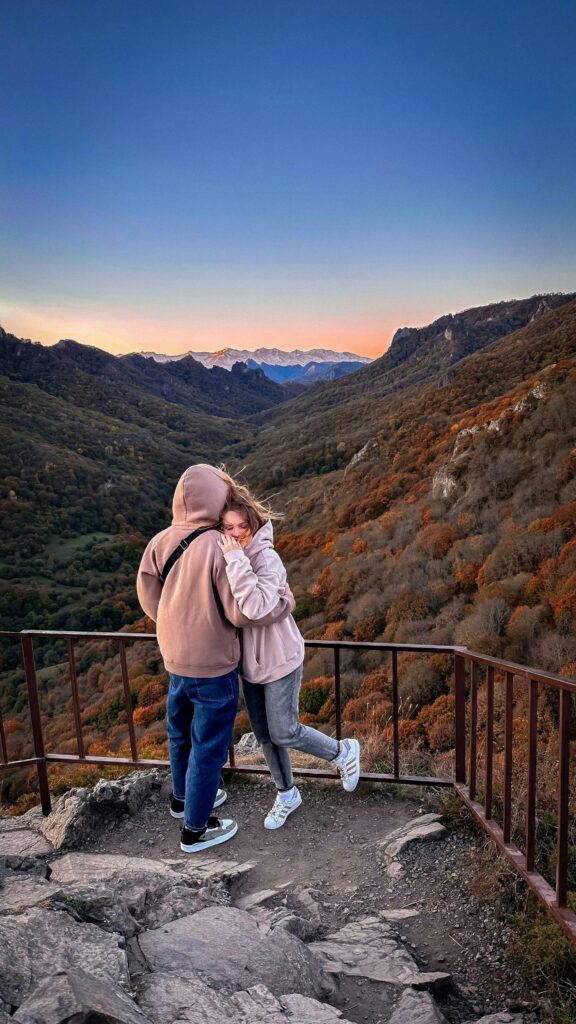
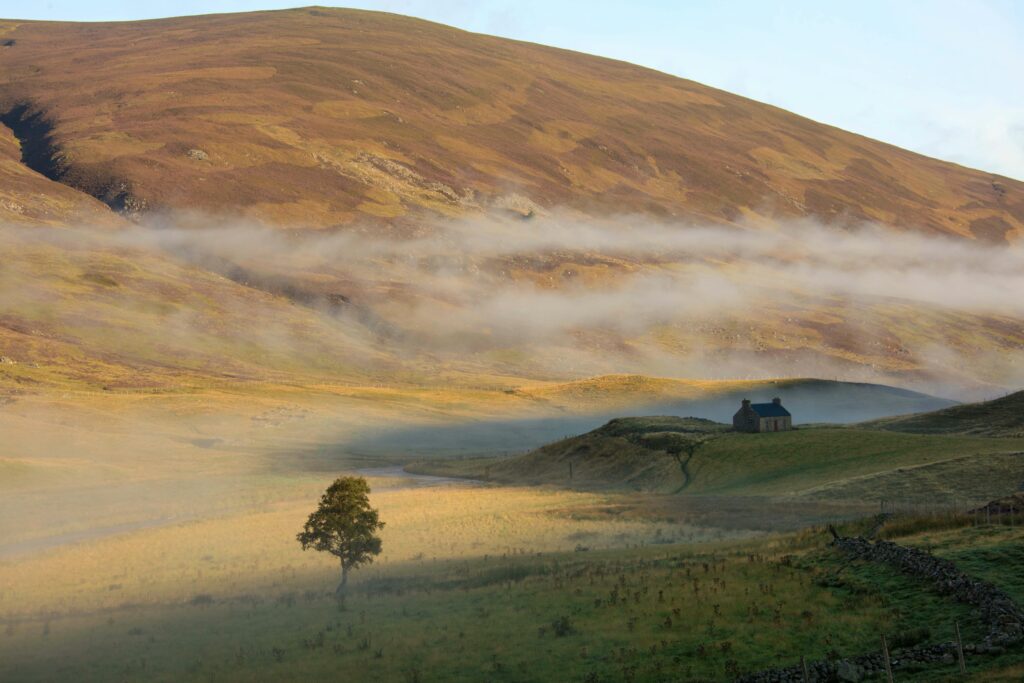
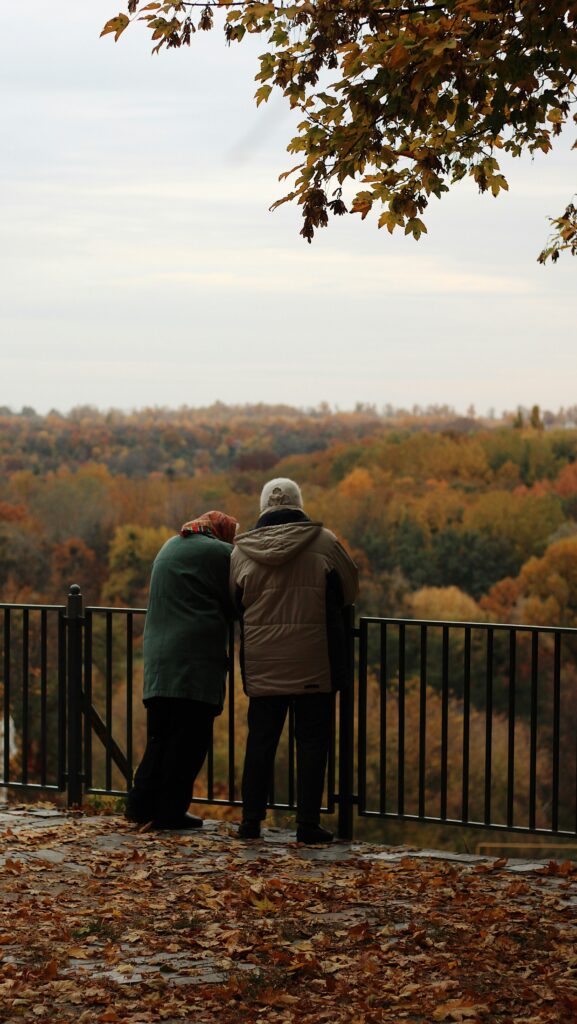
    Two travelers remain on a marked trail above a Norwegian fjord under soft autumn cloud.
    • Stay longer in fewer places. This reduces repeated transfers and gives more economic value to the communities hosting you.
    • Use rail, scheduled boats, and electric vessels where they fit. Public transport can be one of the journey’s most memorable elements.
    • Choose certified or demonstrably responsible operators. Ask how vessels are powered, how wildlife encounters are managed, and how local guides and suppliers participate.
    • Travel beyond the busiest hours. Overnight stays distribute visits more evenly and create a better experience.
    • Buy from local producers. Cider, food, crafts, guiding, and small hospitality businesses connect spending with the region.
    • Remain on marked paths and respect private land. Norway’s right to roam comes with responsibilities. Visit Norway asks travelers to keep nature clean, follow marked paths, close gates, keep distance from animals, and prepare for fast-changing weather. How to act in Norwegian nature
    • Treat photographs as a privilege, not a claim. Avoid blocking roads, entering farms without permission, disturbing wildlife, or flying drones where they compromise safety and privacy.

    Traveling responsibly often improves the experience. Quieter transport, smaller groups, local knowledge, and longer stays create the conditions many luxury travelers wanted in the first place.

    The Endless Odyssey Perspective

    The central planning question is not, “How many fjords can we fit?”

    It is, “What kind of relationship do you want with this landscape?”

    One couple may want the elegance of rail travel, a small historic hotel, and mornings with no scheduled departure. Another may want guided hiking, photography support, and a private boat timed for evening light. A honeymoon may benefit from fewer bases and more privacy. An anniversary trip may place greater value on heritage, food, and a hotel with a story.

    Endless Odyssey and Destinations begins with those differences. The route should reflect your energy, comfort, interests, and reasons for traveling. Norway rewards that level of attention because every decision about pace, transport, and location changes how the fjords feel.

    Frequently Asked Questions About Norway’s Fjords

    Which Norwegian fjord is the most beautiful?

    Beauty is subjective. Nærøyfjord offers narrow, close-range scale; Geirangerfjord is known for waterfalls and iconic viewpoints; Hardangerfjord adds orchards and cultural landscape; Hjørundfjord feels quieter and more mountainous. First-time travelers often find the Sognefjord and Nærøyfjord region the most practical place to begin.

    Is Geirangerfjord or Nærøyfjord better?

    Choose Nærøyfjord for the smoothest rail-and-water journey from Oslo or Bergen. Choose Geirangerfjord for classic waterfall scenery and a route centered on Ålesund and Sunnmøre. With 10 or more days, both can fit if the connection is designed carefully.

    How many days do you need for Norway’s fjords?

    Seven days is enough for one well-defined fjord cluster. Nine or 10 days allows a more relaxed route with two or three bases. Combining Sognefjord, Bergen, and Sunnmøre usually works best with 10 days or more.

    What is the best month to visit?

    For the broadest access, late June through August is simplest. Late May, early June, and September can offer fewer visitors and distinctive seasonal character, but transport and hotel schedules require closer verification.

    Can you experience the fjords without renting a car?

    Yes. The Bergen Line, Flåm Railway, scheduled cruises, ferries, express boats, buses, and selective private transfers can create an excellent journey. A car is useful in certain regions, but it is not essential for the classic Oslo-Myrdal-Flåm-Bergen corridor.

    Is a cruise or a land journey better?

    A land journey with carefully chosen boat segments usually provides greater depth, hotel choice, and time in local communities. A coastal or expedition cruise offers convenience and a broader route. The better choice depends on pace, mobility, and how much time you want ashore.

    Are the Norwegian fjords suitable for honeymoon or anniversary travel?

    Yes. The combination of privacy, scenic transport, historic stays, wellness, and unstructured time suits milestone travel particularly well. The itinerary should minimize one-night stays and protect time for the property and setting.

    A Journey Measured in Attention

    On the final evening, the fjord may look entirely different from the morning. The wind settles, reflections return, and light remains on the upper mountains after the village moves into shade.

    Meaningful Norway journeys remain vivid because the route created space for particular moments: the change in air as the train leaves the plateau, the first view into Aurland, a conversation with a local guide, or dinner in a hotel whose history belongs to the landscape.

    If you are considering a honeymoon, anniversary, or thoughtfully paced journey through Norway’s fjords, Endless Odyssey and Destinations would be honored to design an itinerary around the places, experiences, and rhythm that matter most to you.

    Begin with a thoughtful conversation about your Norway journey.

    Explore more Nordic travel inspiration in the Endless Odyssey Travel Journal.

  • Iceland Beyond the Blue Lagoon: Hidden Experiences for Travelers Seeking Something Extraordinary

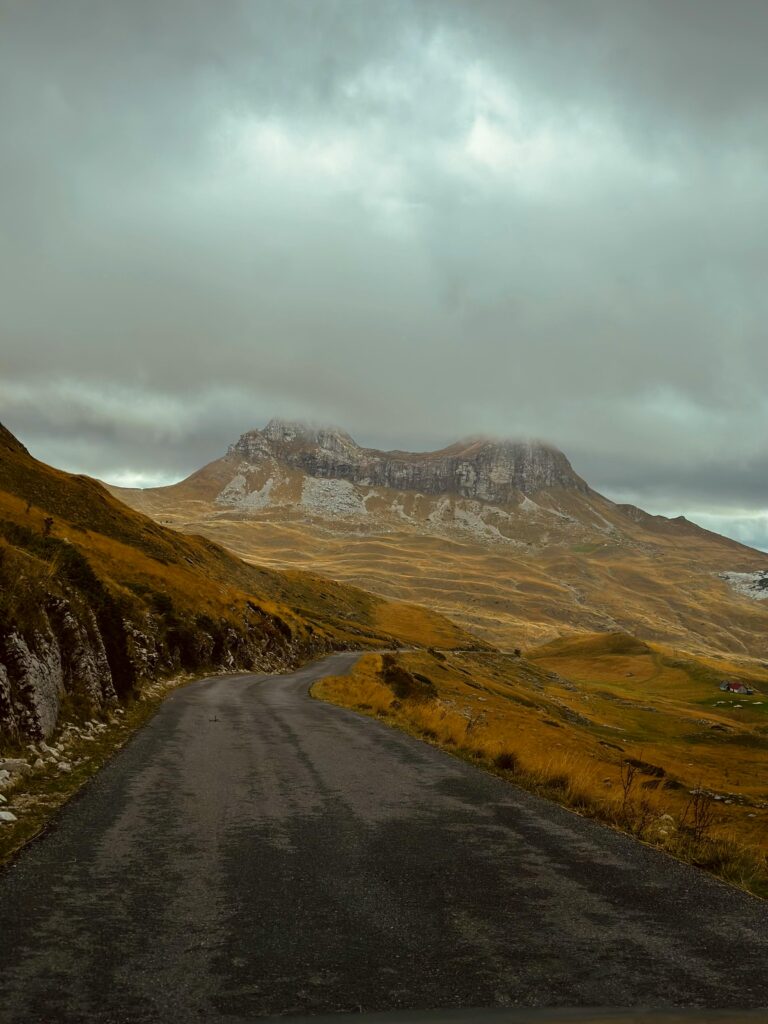
    The road narrows slowly as the Icelandic landscape begins to empty around you.

    The crowds disappeared hours ago.

    Now, only volcanic mountains remain — softened by mist and drifting Arctic light — while black sand stretches endlessly toward the sea beneath a quiet gray sky. Somewhere nearby, steam rises gently from the earth itself, disappearing into the cold air as though the landscape is breathing.

    A small geothermal spring sits hidden within the lava fields ahead.

    No tour buses.
    No crowds.
    Only silence broken by distant waves and the sound of wind moving across the volcanic coast.

    Travelers slip quietly into the warm mineral-rich water while snow gathers softly along the rocks surrounding the pool. Beyond the steam, the Icelandic wilderness fades into soft winter haze while the entire world seems to slow for a while.

    This is the Iceland many travelers never experience.

    Not rushed.
    Not crowded.
    Not reduced to a checklist of famous stops and scenic viewpoints.

    But quieter.
    More emotional somehow.

    The Iceland found in remote countryside lodges, empty coastal roads, hidden geothermal retreats, and moments of stillness that unfold far beyond the country’s busiest tourist routes.

    For travelers seeking something deeper than sightseeing, Iceland reveals itself slowly.

    And often, the most unforgettable parts of the journey happen far beyond the Blue Lagoon.

    Why Iceland Is Best Experienced Beyond the Obvious

    For many travelers, Iceland begins with the same familiar route.

    The Golden Circle.
    The Blue Lagoon.
    A few waterfalls along the South Coast.
    A whirlwind itinerary filled with dramatic scenery and endless driving.

    And while those places are undeniably beautiful, they often reveal only the surface of what Iceland truly feels like.

    The real magic of Iceland lives in the quieter spaces.

    The empty roads stretching through volcanic wilderness beneath moody Arctic skies.
    The remote fishing villages where the ocean feels endless and time slows naturally.
    The geothermal springs hidden deep within lava fields where silence becomes part of the experience itself.

    Iceland changes completely when travelers stop trying to see everything.

    The landscapes begin to feel more emotional.

    More personal.
    Instead of rushing between crowded stops, travelers linger longer in fewer places. Mornings unfold slowly beside panoramic windows overlooking distant mountains while evenings stretch late beside geothermal waters and candlelit dinners. The journey becomes less about sightseeing and more about atmosphere, connection, and presence.

    That slower rhythm transforms Iceland.

    The stillness becomes noticeable first.

    There is space here unlike almost anywhere else in Europe. Vast stretches of volcanic wilderness untouched by development. Empty coastlines where black sand disappears into the Atlantic beneath dramatic skies. Entire roads where travelers may drive for hours without seeing another vehicle.

    And somehow, that solitude feels restorative rather than lonely.

    Luxury in Iceland is rarely about excess.

    It is about access to experiences that feel deeply immersive and emotionally grounding — the privilege of quiet landscapes, thoughtful pacing, remote beauty, and uninterrupted connection to nature itself.

    Travelers often leave Iceland surprised by what they remember most.

    Not only the dramatic scenery.

    But the feeling of standing completely alone beside a glacier lagoon while snow falls softly around them.
    The warmth of a hidden geothermal spring after a long winter drive.
    The stillness of an empty black sand beach beneath a storm-dark sky.

    Those are the moments that stay with people.

    Hidden Geothermal & Wellness Experiences

    There is something profoundly calming about geothermal water in Iceland.

    Especially when experienced far from the crowds.

    Steam rises slowly into the Arctic air while volcanic landscapes disappear into mist beyond the warmth of the water. The cold touches your face while the mineral-rich heat surrounds you completely, creating that uniquely Icelandic contrast between fire and ice that feels both invigorating and deeply restorative at the same time.

    The country’s quieter geothermal experiences reveal a far more intimate side of Icelandic wellness culture.

    Hidden hot springs tucked into remote valleys.
    Luxury countryside spas surrounded by lava fields and snow-covered mountains.
    Private soaking experiences where silence becomes part of the atmosphere itself.

    These are not places designed around spectacle.

    They are designed around stillness.

    Travelers often arrive after long scenic drives through volcanic landscapes where the roads themselves feel cinematic — winding through empty valleys, along dramatic coastlines, or beside distant glaciers beneath changing Arctic light.

    And then suddenly, the steam appears.

    A geothermal pool hidden quietly within the landscape as though it emerged naturally from the earth itself.

    Evenings unfold slowly here.

    Conversations soften beside the water.
    Phones remain forgotten inside nearby lodges.
    Snow drifts gently across volcanic rock while the darkness settles around the landscape.

    Some geothermal retreats offer Nordic wellness rituals centered around restoration and calm rather than polished luxury. Others focus entirely on immersion in nature — open-air lagoons positioned beneath mountain ranges, hidden hot springs accessible only through quiet countryside roads, private soaking experiences beneath the Northern Lights.

    What makes these places unforgettable is not simply relaxation.

    It is the emotional atmosphere surrounding them.

    The silence.
    The cold air.
    The sense of isolation softened by warmth.

    In Iceland, geothermal wellness becomes more than self-care.

    It becomes a way of experiencing the landscape itself.

    Iceland’s Lesser-Explored Regions

    Beyond Iceland’s most photographed locations, the country begins to feel quieter, wilder, and far more cinematic.

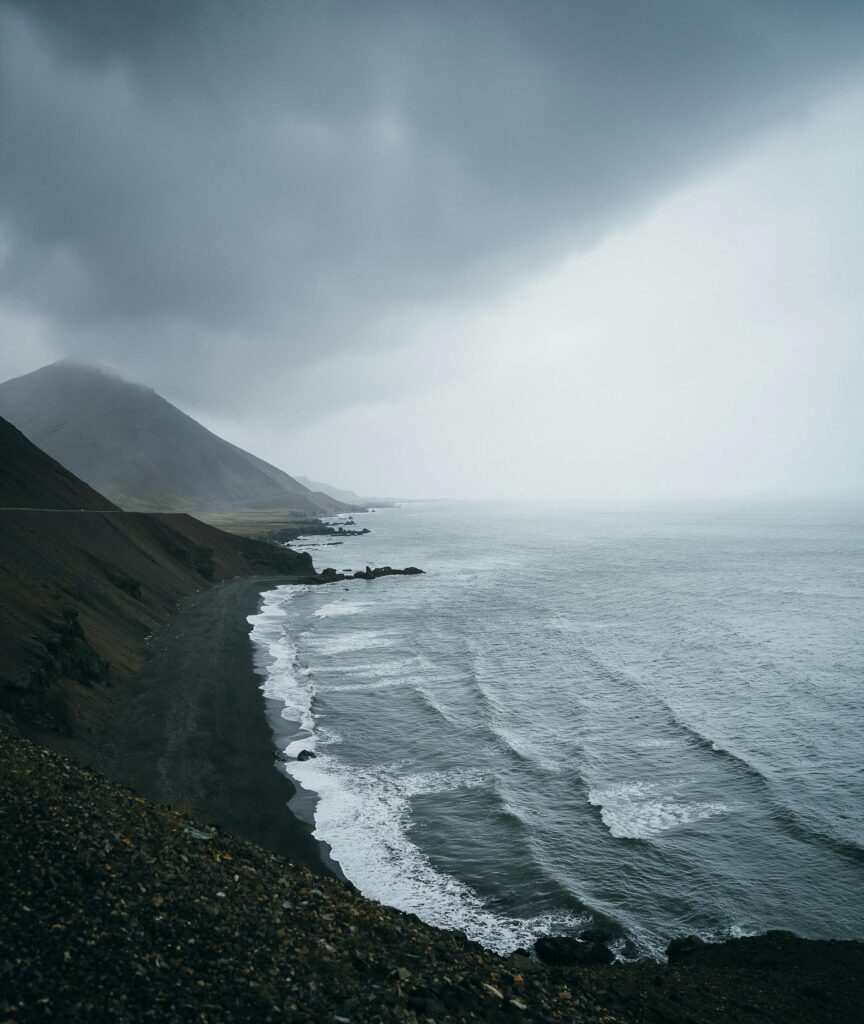
    The Eastfjords unfold through dramatic coastal roads carved between steep mountains and dark northern waters. Tiny fishing villages appear unexpectedly along the coastline while fog drifts through valleys beneath silver Arctic skies. The pace feels slower here. More reflective somehow.

    Travelers stop more often simply to look.

    Not because there are famous landmarks nearby, but because the landscapes themselves feel impossibly beautiful in their stillness.

    North Iceland carries a different kind of atmosphere.

    The volcanic terrain becomes harsher and more elemental — black lava fields stretching endlessly toward snow-covered mountains while geothermal steam rises from the earth beneath dark winter skies. Waterfalls freeze along volcanic cliffs while isolated countryside retreats glow warmly against the surrounding wilderness.

    The darkness feels deeper here too.

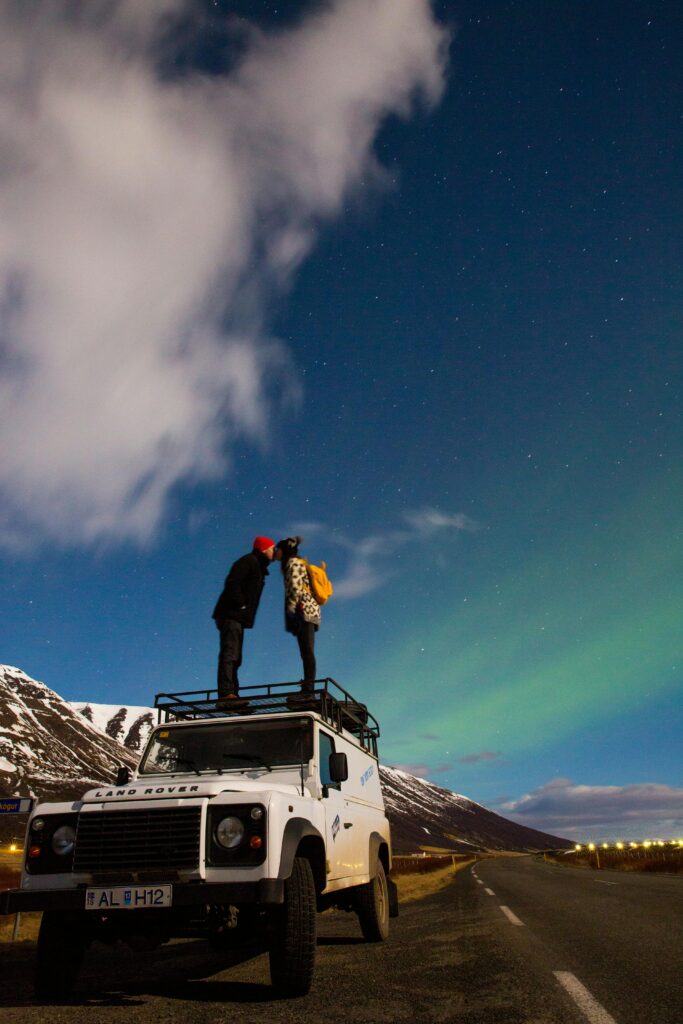
    And during winter, the Northern Lights often appear with extraordinary intensity above the quiet landscape.

    Then there is the Snæfellsnes Peninsula — often called “Iceland in miniature” because it gathers so many of the country’s dramatic landscapes into one remote region.

    But what makes Snæfellsnes unforgettable is not only its beauty.

    It is the feeling of discovery.

    Winding roads leading toward black churches beside the sea.
    Remote beaches where volcanic rock rises sharply against crashing Atlantic waves.
    Small coastal villages wrapped in silence beneath towering mountains.

    The farther travelers move from Iceland’s busiest regions, the more emotional the landscape begins to feel.
    There is room to breathe here.
    Room to notice things.

    The changing light across volcanic plains.
    The sound of distant waves beneath Arctic wind.
    The complete stillness of snow-covered roads disappearing into the wilderness.

    Luxury travel in Iceland becomes most meaningful when travelers allow themselves time to experience these quieter corners fully.

    Because often, the hidden beauty is the beauty that stays with you longest.

    Extraordinary Experiences Beyond the Tourist Trail

    Some of Iceland’s most memorable experiences happen in places few travelers ever reach.

    A luxury farm stay surrounded by horses and volcanic mountains where mornings begin with mist drifting across the fields outside panoramic windows.

    A private glacier experience where travelers walk across ancient ice beneath soft Arctic light while complete silence stretches across the frozen landscape around them.

    A helicopter flight above volcanic craters, black sand coastlines, and untouched lava fields where Iceland suddenly reveals itself in all its vastness and isolation.

    These are the experiences that transform Iceland from a destination into something deeply personal.

    And unlike many luxury experiences elsewhere in the world, Iceland’s most extraordinary moments rarely feel artificial or staged.

    They feel raw.
    Immersive.
    Unexpectedly emotional.

    Travelers may spend an afternoon horseback riding through empty volcanic valleys on Icelandic horses beneath moody northern skies before returning to a countryside lodge glowing warmly against the wilderness.

    Or perhaps the evening unfolds beside a remote waterfall hidden far from the main roads while mist freezes gently against the surrounding cliffs in winter darkness.

    Even Iceland’s culinary experiences feel deeply connected to place.

    Small Nordic restaurants tucked into remote villages serve beautifully prepared meals centered around Arctic char, fresh seafood, wild herbs, and local lamb raised within the surrounding landscapes. Candlelight flickers against dark interiors while storms move across the coastline outside.

    Nothing feels rushed.

    And for photographers, Iceland beyond the tourist trail becomes endlessly inspiring.

    Storm clouds gathering above black sand beaches.
    Geothermal steam rising through snowfall.
    The shifting light across volcanic mountains and glacier lagoons.

    Every moment feels cinematic somehow.

    But perhaps what makes these experiences truly extraordinary is the feeling they create.

    Not excitement alone.

    Wonder.
    Stillness.
    Connection.

    The sense that Iceland is revealing itself slowly, quietly, and only to those willing to move beyond the obvious.

    The Beauty of Slower, More Intentional Iceland Travel

    Iceland rewards travelers who slow down.

    Especially those willing to let go of the need to see everything.

    The country changes completely when journeys are designed around atmosphere and pacing rather than rushing between landmarks. Travelers settle into places rather than simply passing through them. A countryside retreat becomes part of the experience itself. Scenic drives become opportunities for discovery rather than transportation between stops.

    Longer stays create space for Iceland to unfold naturally.

    Weather shifts dramatically across the landscape.
    Light changes by the hour.
    Unexpected moments appear along quiet roads.

    A waterfall glimpsed through snowfall.
    A herd of Icelandic horses standing motionless beneath the mountains.
    A geothermal spring hidden beside a remote coastal valley.

    These moments rarely happen when travelers rush.

    Slow luxury travel in Iceland is not about doing less.

    It is about experiencing more deeply.

    Mornings begin without urgency beside panoramic landscapes while evenings stretch beside fireplaces, geothermal waters, and candlelit dinners. Travelers stop thinking constantly about what comes next and begin fully experiencing where they already are.

    That shift changes everything.

    The journey becomes emotional rather than transactional.

    This philosophy sits naturally at the heart of thoughtfully designed Iceland travel experiences. Luxury here is not built around excess or constant activity. It is built around intentional pacing, immersive stays, quiet beauty, and meaningful connection to place.

    Because the Iceland travelers remember forever is rarely the one they rushed through.

    It is the one they truly felt.

    A Final Quiet Evening

    The geothermal spring sits hidden within the volcanic landscape as evening settles across the Icelandic coast.

    Steam rises softly into the cold air while waves crash somewhere beyond the black sand shoreline in the distance. Snow gathers gently along the rocks surrounding the water while Arctic light fades slowly behind the mountains.

    There are no crowds here.

    Only silence.
    Warmth.
    And the extraordinary feeling of discovering a side of Iceland that still feels untouched.

    Travelers sit quietly beside the water watching the landscape disappear into twilight while the first stars begin appearing overhead.

    And for a moment, the world feels beautifully far away.

    The most unforgettable parts of Iceland are often the ones found far beyond the crowds.

    And for travelers longing for immersive luxury, quiet discovery, and thoughtfully curated Northern Europe experiences, Endless Odyssey and Destinations would be honored to help design a journey that reveals Iceland in a way few travelers ever experience.

  • The Most Beautiful Luxury Stays in Iceland: Geothermal Retreats, Remote Lodges & Nordic Escapes

    The road disappears slowly into the Icelandic wilderness.

    Snow drifts across moss-covered lava fields while distant mountains fade into soft Arctic mist beneath a pale northern sky. Somewhere beyond the volcanic landscape, steam rises quietly into the cold air, barely visible against the horizon.

    And then, almost unexpectedly, the retreat appears.

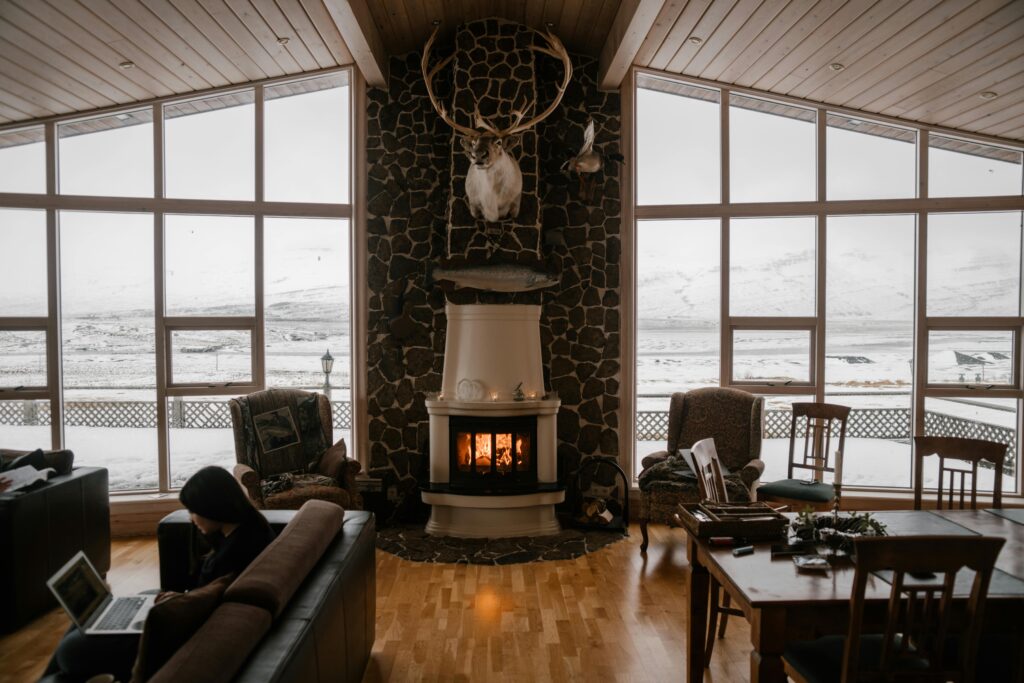
    Warm light glows through floor-to-ceiling windows tucked carefully into the landscape as though the lodge itself belongs to the earth surrounding it. The architecture feels understated and intentional — dark wood, stone, soft lighting, and panoramic glass designed not to distract from Iceland’s beauty, but to frame it.

    Inside, there is warmth.

    Heavy wool blankets draped across oversized chairs. Candlelight flickering beside quiet dining rooms. The faint scent of cedar and geothermal minerals lingering in the air after travelers return from outdoor lagoons hidden beneath the winter sky.

    Outside, Iceland feels vast and untamed.

    Inside, everything feels calm.

    This is the beauty of luxury travel in Iceland.

    Not extravagance for the sake of spectacle, but places designed to immerse travelers fully into the landscape itself — to create stillness, intimacy, restoration, and connection to the extraordinary world just beyond the windows.

    In Iceland, the places you stay become part of the emotional experience.

    A remote countryside lodge beneath the Northern Lights.
    A geothermal retreat surrounded by volcanic rock and steam.
    A glass cabin tucked deep within snow-covered wilderness.

    These are not simply hotels.

    They become part of the story travelers carry home with them long after the journey ends.

    Why Luxury in Iceland Feels Different

    Luxury in Iceland is quieter than many travelers expect.

    There are no grand marble palaces rising above crowded boulevards. No excessive formality or unnecessary spectacle. Iceland approaches luxury differently — through atmosphere, nature, design, privacy, and emotional experience rather than display.

    And honestly, that is precisely what makes it so unforgettable.

    The landscapes themselves shape the feeling of luxury here.

    Remote volcanic plains stretching endlessly toward distant glaciers.
    Black sand coastlines beneath dramatic skies.
    Waterfalls disappearing into frozen valleys.
    The silence of Arctic winter evenings broken only by wind moving across the mountains.

    Icelandic luxury properties understand something important: travelers do not come here to escape nature.

    They come to feel closer to it.

    That philosophy influences nearly every detail of Iceland’s most beautiful stays. Panoramic windows frame untouched wilderness instead of city skylines. Geothermal pools open directly into volcanic landscapes. Lodges are built low into the terrain, blending naturally into lava fields, mountainsides, and remote coastlines.

    Even the interiors reflect this sense of connection.

    Warm woods.
    Natural stone.
    Soft textures inspired by the surrounding landscape.
    Minimalist Nordic design that creates calm rather than distraction.

    Nothing feels overly formal.

    Instead, Icelandic luxury feels deeply personal and restorative.

    Travelers wake slowly beside snow-covered mountains while soft morning light stretches across the horizon. Evenings unfold quietly beside fireplaces after long scenic drives through dramatic landscapes. The outside world begins to fade away here, replaced by stillness, space, and the emotional clarity that often comes from immersion in nature.

    For many travelers, that becomes the true luxury of Iceland.

    The feeling of being completely removed from noise, urgency, and routine.

    A chance to breathe differently for a while.

    The Rise of Iceland’s Geothermal Retreats

    There are few experiences in the world that feel as immediately restorative as stepping into geothermal water beneath the Icelandic sky.

    Especially in winter.

    Snow falls softly across volcanic rock while steam rises around you into the cold Arctic air. The warmth of the mineral-rich water contrasts against the sharp chill of the landscape surrounding it, creating a sensation that feels both grounding and almost surreal at the same time.

    And in Iceland, geothermal wellness has become an art form.

    Luxury geothermal retreats throughout the country are designed not only for relaxation, but for immersion in Iceland’s elemental beauty. Hidden lagoons appear within lava fields as though they were carved naturally from the earth itself. Spa sanctuaries disappear into volcanic terrain beneath moss-covered hills and dramatic skies.

    The atmosphere inside these retreats feels deeply Nordic — calm, understated, and intentionally slow.

    Mornings begin quietly with warm pools overlooking glaciers or distant mountains while soft winter light filters across the water. Afternoons unfold with Nordic wellness rituals centered around heat, cold, stillness, and restoration. Evenings linger long after sunset beneath Arctic skies filled with stars and the possibility of the Northern Lights overhead.

    There is something profoundly emotional about geothermal travel in Iceland.

    Perhaps it is the contrast itself.

    Warmth against cold.
    Stillness against wildness.
    Comfort within untamed landscapes.

    Or perhaps it is simply the way these places encourage travelers to slow down completely.

    Phones are forgotten beside the pools.
    Conversations soften naturally.
    Time stretches differently here.

    Luxury geothermal retreats are not about rushing through spa treatments or carefully scheduled wellness itineraries. They are about creating space — physical and emotional — for travelers to feel rested in a deeper way.

    That feeling lingers long after the journey ends.

    Remote Countryside Lodges & Wilderness Escapes

    Some of Iceland’s most extraordinary luxury stays exist far from Reykjavík.

    Far from traffic.
    Far from crowds.
    Far from almost everything.

    And that remoteness is precisely what makes them so memorable.

    Travelers drive for hours through volcanic valleys, snow-covered lava fields, or dramatic coastal roads before finally arriving at countryside lodges hidden deep within Iceland’s wilderness. The landscapes surrounding these properties often feel almost untouched — dark mountains rising beyond panoramic windows, glaciers visible in the distance, black sand coastlines disappearing into Arctic mist.

    At night, the darkness becomes part of the experience itself.

    Without city lights, the Icelandic sky feels enormous. Stars appear sharper here. And during winter months, the Northern Lights often arrive quietly overhead while travelers sit beside geothermal pools or private lodge terraces wrapped in blankets against the cold air.

    Many of Iceland’s most beautiful luxury stays embrace this sense of isolation beautifully.

    Glass cabins positioned beneath aurora-filled skies.
    Boutique volcanic retreats surrounded by moss-covered lava fields.
    Coastal hideaways perched above the Atlantic.
    Remote mountain lodges where silence becomes part of the atmosphere itself.

    These places are designed for travelers seeking something more emotional than traditional luxury travel.

    Privacy.
    Stillness.
    Immersion in nature.

    And perhaps most importantly, a slower rhythm.

    Days unfold naturally in Iceland’s countryside. Mornings begin without urgency beside panoramic landscapes while evenings stretch long beside fireplaces and candlelit dining rooms. Scenic drives become part of the journey itself rather than transportation between destinations.

    Travelers often discover that staying longer in fewer places transforms the entire experience of Iceland.

    The landscapes stop feeling like sightseeing.
    They begin feeling personal.

    And those quiet connections to place become some of the most meaningful memories travelers carry home.

    Design, Atmosphere & Nordic Aesthetic

    Part of what makes Iceland’s luxury properties so emotionally compelling is their relationship with design.

    Everything feels intentional.

    Unlike many luxury hotels built to impress through excess or grandeur, Icelandic retreats embrace simplicity. The architecture and interiors rarely compete with the surrounding landscape. Instead, they create calm spaces designed to soften the transition between travelers and the natural world outside.

    The result feels deeply Nordic.

    Panoramic windows allow volcanic landscapes, glaciers, waterfalls, and Arctic skies to become part of the room itself. Soft lighting replaces harsh brightness. Neutral tones mirror Iceland’s muted natural palette — charcoal, stone, ash, moss, snow, and weathered wood.

    And throughout these spaces, warmth appears through texture rather than ornament.

    Heavy wool blankets.
    Natural linen.
    Oak and cedar finishes.
    Stone fireplaces glowing against winter darkness.

    Even the minimalism feels comforting rather than cold.

    This balance between simplicity and coziness defines Icelandic luxury beautifully. Travelers feel cared for without formality. Relaxed without sacrificing elegance. Immersed in beautiful design without feeling separated from the landscape surrounding them.

    The atmosphere encourages rest.

    To sit beside panoramic windows watching storms move across volcanic plains.
    To linger over slow breakfasts while snow falls outside.
    To spend entire evenings reading beside the fire while geothermal steam rises beyond the glass.

    There is emotional intelligence in the way Icelandic properties are designed.

    They understand that luxury travel is not only about where you go.

    It is about how a place makes you feel while you are there.

    And Iceland understands how to make travelers feel calm, grounded, and deeply connected to the moment in front of them.

    How the Right Stay Shapes the Entire Journey

    The accommodations travelers choose in Iceland shape far more than comfort.

    They shape the emotional rhythm of the entire journey.

    A thoughtfully chosen countryside retreat changes how mornings begin. A geothermal lodge tucked deep within volcanic landscapes creates opportunities for stillness and immersion that fast-paced itineraries simply cannot offer. A remote Northern Lights property transforms evenings into experiences travelers remember forever.

    In Iceland especially, where the landscapes themselves feel cinematic and emotionally powerful, staying in the right places allows travelers to experience the destination more deeply.

    That is why slower travel matters so much here.

    Longer stays in fewer locations create space for spontaneity — weather changes, quiet moments, unexpected scenery, lingering dinners, and evenings spent simply watching Arctic light move across the landscape.

    Travelers stop rushing toward the next stop and begin fully experiencing the one they are already in.

    Luxury travel at its best should never feel exhausting.

    It should feel restorative.

    The right property can transform an Iceland journey from beautiful sightseeing into something far more personal and meaningful. A geothermal retreat becomes part of the memory itself. A remote lodge beneath the aurora shapes the emotional atmosphere of the trip long after travelers return home.

    This is one of the reasons thoughtfully designed Northern Europe journeys matter so much.

    Choosing the right accommodations is not simply about luxury amenities or location logistics. It is about understanding atmosphere, pacing, emotional connection, and the type of experience travelers truly want to have.

    Because in Iceland, where you stay often becomes inseparable from the journey itself.

    A Final Nordic Evening

    Night settles quietly across the Icelandic wilderness.

    Beyond the panoramic windows of a remote countryside lodge, snow drifts softly across volcanic hills while geothermal steam rises into the Arctic darkness. Somewhere in the distance, waves move against the coastline beneath a sky filled with stars.

    Travelers slip quietly into warm geothermal waters while cold air brushes against their faces. Wrapped in silence, they watch the horizon carefully as green light slowly begins moving across the night sky overhead.

    Inside the lodge, candlelight glows softly beside wool blankets and unfinished glasses of wine waiting near the fire.

    Outside, Iceland feels infinite.

    And for a moment, the world feels beautifully still.

    In Iceland, the places you stay become part of the story itself.

    And for travelers seeking restorative luxury, dramatic landscapes, and deeply meaningful Northern Europe experiences, Endless Odyssey and Destinations would be honored to help design a journey where every stay feels unforgettable.

  • Iceland in Winter: Northern Lights, Geothermal Retreats & Slow Nordic Luxury

    Winter arrives quietly in Iceland.

    Snow settles across volcanic plains beneath dark Arctic skies while distant mountains disappear into soft gray mist. Along remote stretches of countryside, warm light glows from panoramic lodge windows, offering a striking contrast to the wildness beyond the glass.

    Inside, heavy wool blankets rest beside crackling fireplaces. Candlelight flickers softly against Nordic wood interiors while travelers gather with steaming mugs of coffee or glasses of wine after long days exploring frozen landscapes.

    Outside, steam rises slowly from geothermal waters into the cold evening air.

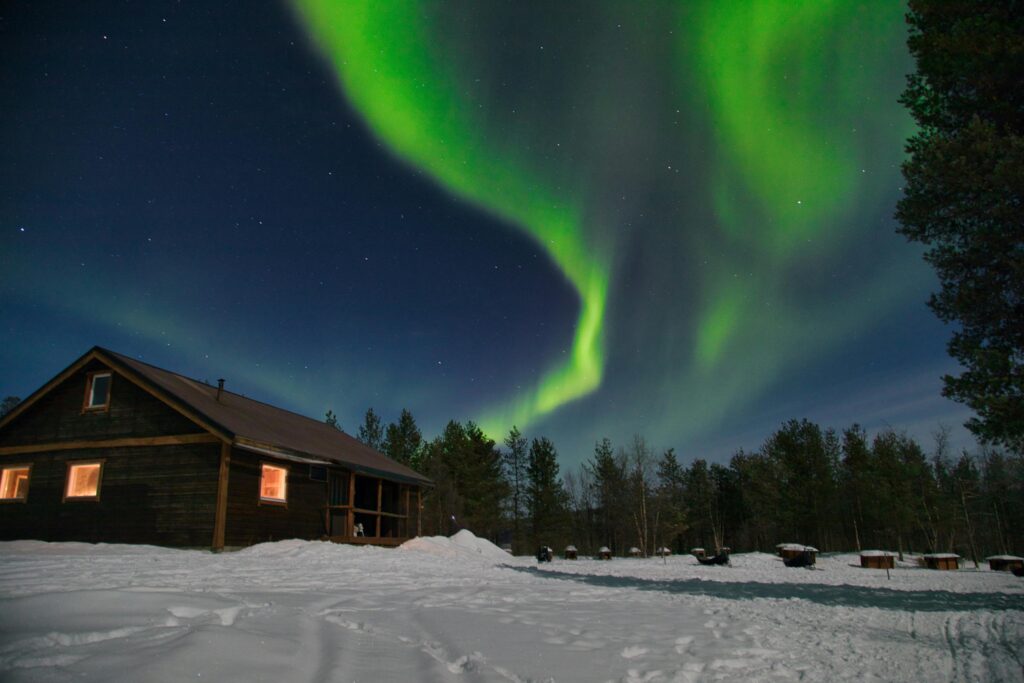
    And somewhere above the darkness, the Northern Lights may appear at any moment.

    There is something deeply calming about Iceland in winter. Not simply because of its dramatic scenery, but because the season itself changes the rhythm of travel. The world feels quieter here. Slower. More intentional.

    For travelers accustomed to fast itineraries and crowded destinations, Iceland offers something entirely different during the winter months — a form of luxury rooted not in excess, but in atmosphere, stillness, and emotional experience.

    This is the kind of journey where mornings begin slowly beside snow-covered landscapes, where scenic drives unfold beneath moody Arctic skies, and where evenings are reserved for geothermal wellness, candlelit dining, and quiet anticipation beneath the stars.

    And for many travelers, it becomes one of the most unforgettable journeys they ever take.

    A Winter Evening in Iceland

    The road stretches quietly through snow-covered lava fields as daylight begins to disappear sometime in the late afternoon.

    Winter in Iceland does not rush its darkness. Instead, the light softens gradually, fading into shades of silver, charcoal, and blue as distant mountains blur into the horizon.

    After hours spent driving through dramatic winter landscapes — frozen waterfalls, black sand beaches dusted with snow, and empty roads winding beneath volcanic cliffs — travelers arrive at a remote countryside retreat tucked deep within the Icelandic wilderness.

    The lodge feels warm immediately.

    Floor-to-ceiling windows frame untouched winter scenery while soft music and candlelight fill the quiet interior. Boots are left near the door. Thick knit blankets rest beside oversized chairs facing the landscape outside. Somewhere nearby, geothermal waters steam beneath the cold Arctic air.

    The silence is what surprises many people first.

    Not emptiness, but stillness.

    The kind of silence that feels restorative after the constant movement of daily life.

    Outside, snow drifts slowly across the lava fields while wind moves gently through the distant hills. Inside, conversations soften naturally. Travelers linger longer over dinner. Time itself seems to stretch differently here.

    And every so often, someone glances toward the sky.

    Waiting.

    Hoping for the first flicker of green light to appear above the darkness.

    This is Iceland in winter — intimate, atmospheric, and impossibly cinematic.

    Why Winter Is One of the Most Magical Times to Experience Iceland

    Many travelers imagine Iceland as a summer destination filled with waterfalls, midnight sun, and scenic road trips beneath endless daylight.

    And while summer in Iceland is undeniably beautiful, winter reveals an entirely different side of the country — one that feels deeper, quieter, and far more emotional.

    The landscapes themselves become softer in winter.

    Snow settles across black volcanic terrain, glaciers glow pale blue beneath heavy skies, and frozen waterfalls transform familiar scenery into something dreamlike. The contrast between fire and ice becomes even more striking during the colder months, especially when geothermal steam rises against snow-covered lava fields beneath dark northern skies.

    Everything feels heightened somehow.

    The warmth of a countryside lodge.
    The comfort of geothermal waters against cold air.
    The glow of candlelight after long winter days.

    Winter naturally creates intimacy.

    Long evenings encourage travelers to slow down rather than rush from place to place. Scenic drives feel quieter without summer traffic. Remote roads stretch endlessly through untouched landscapes while small villages and countryside retreats feel calm and deeply peaceful.

    For couples and slow luxury travelers especially, this atmosphere becomes part of the experience itself.

    There is romance in the stillness of Icelandic winter.

    In watching snow fall outside panoramic windows while sharing dinner beside the fire.
    In slipping into warm geothermal waters beneath a dark Arctic sky.
    In driving through landscapes so dramatic they feel almost otherworldly.

    And unlike many winter destinations, Iceland never feels closed or dormant during the colder season.

    Instead, winter reveals experiences impossible to replicate at any other time of year — frozen waterfalls, ice caves glowing deep within glaciers, black sand beaches edged with snow, and of course, the possibility of the Northern Lights appearing overhead.

    But perhaps what makes winter in Iceland feel most extraordinary is the emotional atmosphere it creates.

    The season encourages travelers to become fully present.

    To move more slowly.
    To notice more.
    To experience the landscapes rather than simply photograph them.

    That kind of travel stays with people long after they return home.

    The Beauty of Northern Lights Season

    Few travel experiences feel as emotionally powerful as witnessing the Northern Lights for the first time.

    Not because of how they look in photographs.

    But because of the atmosphere surrounding the experience itself.

    It often begins quietly.

    Travelers gather outside remote countryside lodges late at night wrapped in blankets and winter coats while geothermal steam drifts upward into the cold air. The surrounding landscape disappears almost entirely into darkness, leaving only snow-covered hills, distant mountains, and the vast Arctic sky overhead.

    There is anticipation in the silence.

    People speak softly while watching the horizon, waiting for the first trace of movement to appear above the landscape.

    And then suddenly, the sky changes.

    A faint ribbon of green begins to emerge, almost invisible at first, before slowly growing brighter and stronger as it moves across the darkness.

    The reaction is rarely loud excitement.

    Usually, it is quiet awe.

    The kind that leaves people speechless for a moment.

    Watching the aurora in Iceland feels deeply personal because the experience itself is so immersive. There are no city lights, no crowds, and no distractions in remote regions of the country. Just open landscapes, cold Arctic air, and the extraordinary feeling of standing beneath a sky that seems alive.

    Some travelers watch from geothermal lagoons while snow gathers softly around the edges of the water.

    Others stand outside luxury countryside lodges wrapped in blankets with glasses of wine warming their hands.

    And some simply sit quietly beside panoramic windows long into the night, waiting for the lights to appear again.

    What makes the Northern Lights unforgettable is not only their beauty, but the stillness surrounding them.

    In Iceland, the aurora becomes more than something you see.

    It becomes something you feel.

    Iceland’s Geothermal Luxury Experiences

    There are few places in the world where wellness feels as naturally connected to the landscape as it does in Iceland.

    Geothermal water shapes daily life here.

    Steam rises from the earth across volcanic valleys. Natural hot springs emerge unexpectedly beside mountains and lava fields. Even in the depths of winter, warm mineral-rich waters create spaces of comfort and restoration beneath the cold Arctic sky.

    And experiencing those contrasts — warmth against snow, steam against icy air — becomes one of Iceland’s most memorable luxuries.

    Imagine slipping into a private geothermal lagoon late in the evening while snow falls quietly around you.

    The water glows softly beneath the darkness as distant mountains fade into the night. Steam rises upward while cold air brushes against your face. Somewhere nearby, volcanic rock disappears beneath drifting snow.

    Everything feels still.

    Geothermal wellness in Iceland is less about polished spa culture and more about immersion in nature itself.

    Luxury retreats throughout the countryside embrace this beautifully. Outdoor hot springs overlook glaciers and lava fields. Nordic wellness rituals focus on simplicity, calm, and restoration rather than excess. Slow mornings begin with thermal pools and quiet breakfasts beside panoramic winter landscapes.

    And evenings unfold slowly.

    Long soaks beneath Arctic skies.
    Firelight inside remote lodges.
    Lingering dinners featuring fresh Nordic ingredients sourced from Iceland’s surrounding waters and countryside.

    There is something uniquely grounding about Iceland’s approach to luxury wellness.

    Adventure and restoration exist side by side here.

    One day might include glacier exploration, frozen waterfalls, or scenic winter drives through dramatic volcanic landscapes. The next moment, travelers find themselves immersed in steaming geothermal waters while snow drifts gently across the surrounding hills.

    It is this balance that makes Iceland feel so emotionally restorative.

    The landscapes awaken you.
    The geothermal warmth softens you.
    And together, they create a form of luxury that feels deeply human and unforgettable.

    Slow Winter Travel Through Iceland

    Iceland rewards travelers who move slowly.

    Especially in winter.

    The temptation to see everything can be strong — waterfalls, glaciers, black sand beaches, ice caves, geothermal lagoons, volcanic coastlines. Yet the travelers who fall most deeply in love with Iceland are often the ones who allow themselves time to truly experience it.

    Winter naturally encourages slower travel.

    Road conditions shift with weather. Light changes quickly. Storms move dramatically across the landscape. And somehow, all of this becomes part of the beauty rather than an inconvenience.

    Instead of rushing between destinations, thoughtfully designed winter journeys focus on fewer regions, longer stays, and space for spontaneity.

    A countryside lodge becomes more than a hotel.

    It becomes part of the experience itself.

    Travelers settle into a rhythm here. Mornings begin slowly with coffee beside panoramic windows while snow falls across the lava fields outside. Scenic drives unfold without urgency beneath moody Arctic skies. Evenings stretch long into the night beside fireplaces, geothermal pools, and candlelit dinners.

    This slower pace allows Iceland to reveal itself fully.

    The quiet beauty of an empty winter road.
    The changing light over frozen waterfalls.
    The stillness of black sand beaches beneath snowfall.
    The emotional calm that arrives after days spent immersed in nature.

    Luxury slow travel is not about doing less.

    It is about experiencing more deeply.

    And Iceland may be one of the best places in the world for exactly that kind of journey.

    This philosophy sits naturally at the heart of Endless Odyssey and Destinations — designing Northern Europe journeys that feel immersive, intentional, and emotionally memorable rather than rushed or transactional.

    Because the most extraordinary travel moments rarely happen while hurrying toward the next stop.

    They happen in the quiet spaces in between.

    The Most Beautiful Winter Experiences in Iceland

    Winter transforms Iceland into a landscape that feels almost cinematic in its beauty.

    Black sand beaches become even more dramatic when dusted lightly with snow beneath storm-dark skies. Frozen waterfalls shimmer against volcanic cliffs while glacier lagoons fill with floating ice glowing pale blue beneath soft Arctic light.

    Every direction feels visually impossible somehow.

    Along the South Coast, waves crash against snow-lined volcanic beaches while seabirds drift overhead in the cold wind. Ice caves hidden deep within glaciers glow in shades of blue so vivid they seem unreal. Travelers walk through frozen chambers where light filters softly through ancient ice formations shaped over centuries.

    Even simple moments become unforgettable here.

    Watching Icelandic horses gather quietly near snow-covered fences beneath distant mountains.
    Stopping beside an empty roadside waterfall frozen partially in ice.
    Driving through landscapes where the only sounds are wind and falling snow.

    Winter dining experiences feel equally atmospheric.

    Small candlelit restaurants in Reykjavík serve beautifully prepared Nordic cuisine centered around fresh seafood, Arctic char, lamb, and seasonal ingredients gathered from Iceland’s surrounding landscapes. Remote countryside lodges offer intimate dinners beside panoramic windows where darkness settles early across the volcanic wilderness outside.

    And for photographers, Iceland in winter feels endless in possibility.

    The contrast of volcanic black against fresh snow.
    Aurora reflections in geothermal water.
    Soft winter light stretching across glaciers and lava fields.

    Every scene feels carefully composed by nature itself.

    But perhaps the greatest beauty of Iceland in winter lies in the emotional atmosphere surrounding these experiences.

    Nothing feels rushed.
    Nothing feels overly polished.

    Instead, Iceland allows travelers to experience winter in its rawest and most beautiful form — dramatic, peaceful, restorative, and unforgettable.

    A Final Winter Silence

    Late at night, the geothermal waters remain warm beneath the Arctic sky.

    Snow drifts quietly across the volcanic landscape surrounding the lodge while distant mountains disappear into darkness beyond the steam. Inside, candlelight glows softly against panoramic windows as travelers sit wrapped in blankets watching the night unfold outside.

    Then suddenly, the sky begins to move.

    Green light stretches slowly across the horizon before dancing above the snow-covered wilderness in silence.

    No crowds.
    No noise.
    Only warmth, darkness, and wonder.

    For travelers seeking stillness, romance, and unforgettable winter beauty, Iceland offers a kind of luxury that feels deeply transformative.

    And for those dreaming of experiencing Iceland through thoughtfully designed winter journeys filled with geothermal wellness, dramatic landscapes, and slow Nordic travel, Endless Odyssey and Destinations would be honored to help create a journey that feels personal, immersive, and unforgettable.

  • Where Fire Meets Ice: A Luxury Journey Into Iceland’s Wild Beauty

    Some places have a way of slowing time.

    After the mist-covered castles of Scotland and the storybook coastlines of Ireland, the journey north begins to change. The landscapes grow quieter. Wilder. The air feels sharper somehow, as though the world has been stripped down to its most elemental form.

    And then there is Iceland.

    The first thing many travelers notice is the silence.

    Not the silence of emptiness, but the silence of space — vast volcanic plains stretching toward distant mountains, black sand beaches untouched by footprints, steam rising softly from geothermal earth beneath a gray Arctic sky. The kind of silence that feels almost sacred.

    You arrive at a remote luxury lodge as evening settles across the landscape. Candlelight flickers against floor-to-ceiling windows while wind moves across the lava fields outside. Somewhere in the distance, waves crash against the dark shoreline. A geothermal pool glows softly beneath the fading light, steam curling upward into the cold northern air.

    Inside, there is warmth. Wool blankets draped across oversized chairs. A glass of wine beside the fire. The comforting scent of cedar and mineral-rich water lingering in the air.

    Outside, Iceland feels ancient and untamed.

    Inside, it feels impossibly calm.

    This is not the North travelers imagine after Paris or Rome. This is another kind of northern journey entirely — one shaped by glaciers, volcanoes, waterfalls, storms, and stillness.

    For travelers who have fallen in love with the romance of the Scottish Highlands or the windswept beauty of Ireland’s western coast, Iceland often feels like the next chapter. Familiar in its dramatic landscapes and emotional atmosphere, yet entirely its own.

    A place where fire meets ice.
    Where nature feels larger than life.
    And where luxury becomes something quieter, deeper, and far more memorable.

    Why Iceland Feels Unlike Anywhere Else

    There are beautiful places all over the world.

    And then there are places that make you feel small in the best possible way.

    Iceland belongs to the second category.

    Few destinations create such an immediate emotional reaction. Perhaps it is the contrast that makes it so unforgettable — glaciers resting beside volcanic fields, snowstorms sweeping across black sand beaches, geothermal rivers cutting through frozen valleys. Everything here feels shaped by opposing forces. Fire and ice. Stillness and movement. Harshness and warmth.

    Even the light feels different.

    In winter, daylight arrives softly, painting the landscape in shades of silver, blue, and charcoal before darkness returns early and the Northern Lights begin their slow dance overhead. In summer, the midnight sun stretches the evenings endlessly, casting a golden glow across waterfalls and distant mountains long after most of the world has gone to sleep.

    Nature in Iceland does not feel decorative.

    It feels alive.

    Driving through the South Coast, travelers pass waterfalls pouring from cliffs into moss-covered valleys. Glaciers appear suddenly beside the road like frozen rivers suspended in time. Along the coastline, the Atlantic crashes against volcanic beaches beneath towering basalt cliffs while seabirds circle overhead in the Arctic wind.

    And yet, despite its drama, Iceland rarely feels crowded or chaotic.

    That is part of its magic.

    There is space here — physical space, emotional space, mental space. Travelers often describe Iceland not simply as beautiful, but restorative. Something about the landscapes quiets the constant noise many people carry with them. Conversations slow. Phones stay tucked away longer. Even time begins to feel softer around the edges.

    Luxury in Iceland reflects this feeling beautifully.

    This is not a destination built around excess or spectacle. Icelandic luxury is quieter than that. More intentional.

    It lives in the privacy of a remote countryside retreat where the nearest neighbor is miles away. In geothermal waters beneath falling snow. In panoramic windows framing untouched wilderness. In a chef preparing Arctic char and wild herbs gathered from the surrounding landscape. In waking to absolute stillness broken only by wind moving across the mountains.

    The most memorable luxury experiences here are not about being seen.

    They are about feeling deeply connected — to nature, to stillness, and often to each other.

    For couples, Iceland can feel incredibly romantic in an unexpected way. Not because of grand gestures or glamorous crowds, but because the landscapes themselves create intimacy. Long scenic drives. Quiet evenings by the fire. Watching snow fall into geothermal waters while the sky turns green overhead.

    The world feels far away here.

    And sometimes, that is exactly what travelers are searching for.

    Luxury Experiences That Define Iceland

    The beauty of Iceland is that even its most extraordinary experiences rarely feel forced.

    The country invites exploration naturally, revealing itself slowly through winding roads, changing weather, and landscapes that shift dramatically hour by hour.

    One morning might begin with coffee beside panoramic windows overlooking snow-covered lava fields. By afternoon, you are flying above glaciers in a private helicopter, watching crevasses and ice formations unfold beneath you like another planet entirely.

    And by evening, you are soaking in geothermal waters beneath the stars.

    Some of Iceland’s most unforgettable luxury experiences happen far from the crowds.

    Imagine arriving at a private geothermal spa hidden within a volcanic landscape. Steam rises gently from mineral-rich waters while cold Arctic air brushes against your skin. Snow gathers quietly on dark volcanic rock nearby. There is no soundtrack except the wind and the water itself.

    Moments like this are difficult to explain after returning home because they feel less like activities and more like memories suspended outside time.

    Northern Lights experiences in Iceland carry a similar feeling.

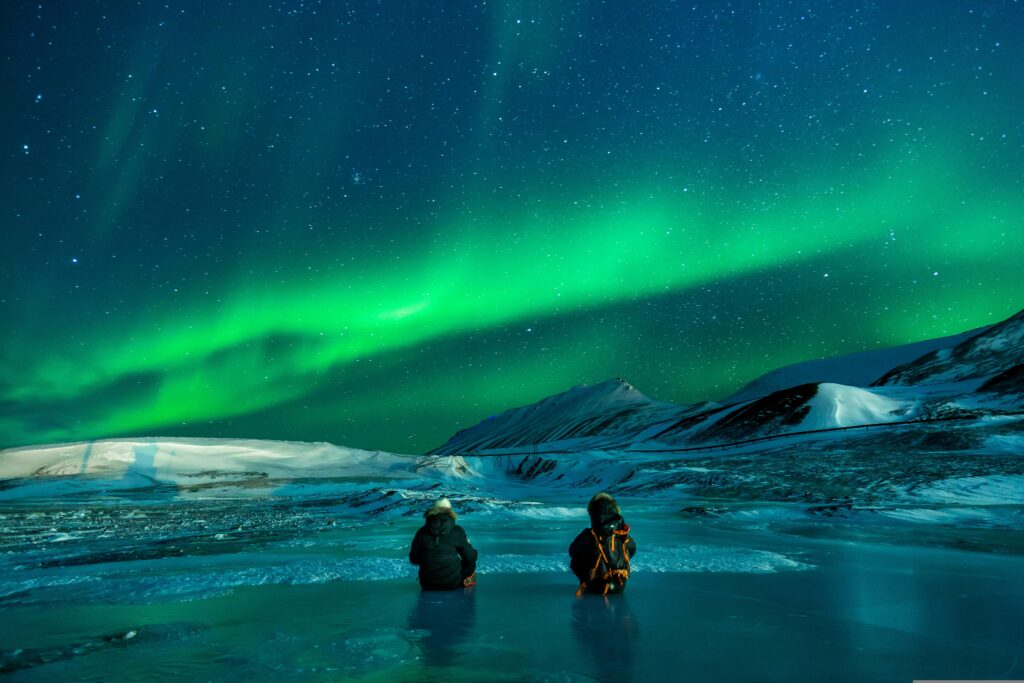
    There is something deeply emotional about standing beneath a dark Arctic sky waiting for the first trace of green to appear. Travelers gather quietly, wrapped in blankets with warm drinks in hand, eyes fixed upward as ribbons of light begin moving across the horizon.

    And when the lights finally appear in full — shifting and dancing above glaciers, mountains, or black sand coastlines — the reaction is rarely loud excitement.

    Usually, it is silence.

    A kind of awe that leaves people speechless.

    Luxury countryside retreats throughout Iceland are designed perfectly for this atmosphere. Remote lodges with floor-to-ceiling windows allow travelers to experience the landscape without interruption. Some feature private hot tubs positioned for Northern Lights viewing. Others sit beside waterfalls, lava fields, or distant glaciers where the scenery itself becomes part of the stay.

    These properties embrace Nordic simplicity beautifully — warm textures, natural materials, soft lighting, and a deep sense of calm.

    Days often unfold slowly here.

    Scenic drives lead travelers along black sand beaches where waves crash dramatically against volcanic cliffs. Waterfalls appear unexpectedly around bends in the road, each one more cinematic than the last. Along Iceland’s South Coast, glaciers meet the sea in surreal glacier lagoons where floating ice catches the changing light like glass sculptures drifting across the water.

    Even horseback riding becomes something unforgettable in Iceland.

    The Icelandic horse — small, strong, and remarkably gentle — has carried travelers across lava fields and valleys for centuries. Riding through the countryside beneath vast northern skies creates a sense of connection to the landscape that feels timeless.

    Then there is the food.

    Iceland’s culinary scene has quietly become one of Northern Europe’s most exciting experiences, rooted deeply in seasonal ingredients and Nordic traditions. Fresh seafood, wild herbs, Arctic char, lamb raised in open countryside, and beautifully prepared tasting menus create meals that feel both refined and grounding.

    In Iceland, luxury dining often happens in places where the landscapes remain the true centerpiece.

    A small candlelit restaurant overlooking the harbor in Reykjavík.
    A remote countryside lodge serving locally sourced cuisine beside panoramic windows.
    Fresh bread baked beside geothermal heat.

    Nothing feels rushed.

    And that may be the greatest luxury of all.

    The Beauty of Slow Travel in Iceland

    Many travelers arrive in Iceland wanting to see everything.

    The waterfalls.
    The glaciers.
    The volcanoes.
    The black sand beaches.
    The Northern Lights.

    And while Iceland certainly rewards exploration, the travelers who fall most deeply in love with the country are often the ones who slow down.

    Iceland is not a destination best experienced through constant motion.

    It is a place that asks you to pause.

    To stay an extra night beside the glacier lagoon rather than rushing onward.
    To linger in geothermal waters while snow falls quietly around you.
    To sit beside panoramic windows simply watching weather move across the mountains.

    The roads themselves encourage this slower rhythm. Scenic drives through Iceland rarely feel like transportation between destinations. The journey becomes the experience.

    Cloud shadows drift across volcanic landscapes. Tiny Icelandic churches appear alone against vast valleys. Horses gather near fences as distant waterfalls shimmer beneath changing light. Some roads feel less like highways and more like passages through another world entirely.

    Luxury self-drive journeys work beautifully here because they allow travelers to experience Iceland intimately and intentionally.

    Rather than racing between crowded tourist stops, thoughtfully designed itineraries focus on fewer regions, longer stays, and meaningful experiences. A remote lodge becomes more than simply a place to sleep. It becomes part of the memory itself.

    There is also an undeniable wellness element to Icelandic travel.

    Not wellness in the polished, overly structured sense, but something more natural and restorative.

    The geothermal waters.
    The crisp Arctic air.
    The deep sleep that comes after long days outdoors.
    The absence of constant distraction.

    Travelers often leave Iceland feeling clearer somehow.

    Rested in a deeper way.

    For many couples and slow travelers, this emotional reset becomes the most meaningful part of the journey. Iceland creates rare opportunities to disconnect from noise and reconnect with presence — with nature, with stillness, and with each other.

    This philosophy sits at the heart of how Endless Odyssey and Destinations approaches Northern Europe travel.

    The most extraordinary journeys are rarely about checking places off a list. They are about creating space for moments that stay with you long after you return home.

    A quiet evening beneath Arctic skies.
    A winding coastal road with nowhere else you need to be.
    The feeling of standing in complete stillness while waterfalls echo in the distance.

    Those are the moments travelers remember forever.

    The Best Time to Experience Iceland

    Iceland changes dramatically with the seasons, and each version of the country offers something entirely different emotionally.

    Winter transforms Iceland into a world of snow, firelight, and Northern Lights. Days feel quieter and more intimate as storms move across volcanic landscapes and darkness settles early across the countryside. Luxury lodges glow warmly against frozen scenery while geothermal waters offer comfort beneath the cold Arctic sky.

    It is a season made for coziness, reflection, and romance.

    Summer feels almost dreamlike in another way entirely.

    The midnight sun stretches daylight late into the evening, creating endless hours for scenic drives, waterfall hikes, glacier exploration, and coastal journeys. Mountains glow gold beneath lingering light while the landscapes feel vibrant and alive after winter’s stillness.

    There is freedom in Icelandic summer — a sense that the days themselves refuse to end.

    The shoulder seasons may be Iceland’s best-kept secret.

    Autumn brings dramatic skies, fewer crowds, and landscapes painted in mossy greens, rust, and charcoal tones. Spring carries a quieter beauty as snow begins melting into waterfalls and the country slowly awakens again beneath softer light.

    For travelers seeking atmosphere, stillness, and emotional connection to the landscape, these in-between seasons can feel especially magical.

    Because in Iceland, weather is not something that interrupts the experience.

    It becomes part of the story.

    A Final Northern Silence

    Late at night, the geothermal waters remain warm against the cold air.

    Somewhere beyond the lodge windows, wind moves across the volcanic landscape while distant mountains disappear into darkness. Above you, the Northern Lights begin to emerge slowly — soft green ribbons shifting across the Arctic sky with impossible grace.

    No city sounds.
    No crowds.
    Only silence, steam, and light.

    And for a moment, the world feels beautifully still.

    Iceland leaves travelers with memories that feel almost difficult to describe because the destination is less about sightseeing and more about emotion. It is about how the landscapes make you feel — small yet grounded, quiet yet fully awake.

    For travelers longing for stillness, wonder, and extraordinary northern landscapes, Iceland offers something unforgettable.

    And for those dreaming of experiencing Iceland through thoughtfully paced luxury travel, Endless Odyssey and Destinations would be honored to help design a journey that feels personal, immersive, and deeply memorable.

  • Scotland in Autumn: Misty Highlands, Cozy Castle Stays & Slow Luxury Travel

    There’s a certain kind of morning that seems to exist only in Scotland in autumn.

    You wake slowly beneath heavy blankets as soft rain taps gently against the windows of a quiet Highland estate. Outside, mist drifts across the hills in slow waves, wrapping the landscape in silver and gold. Trees along the glen burn with autumn color while low clouds settle between the mountains beyond.

    Downstairs, a fire crackles softly in the drawing room.

    Someone pours tea.
    Someone else warms their hands around a glass of whisky beside the window.

    And for a moment, the entire world feels still.

    This is the side of Scotland many travelers never expect.

    Not rushed.
    Not crowded.
    Not overly polished.

    But atmospheric, deeply romantic, and impossibly comforting in a way that lingers long after the journey ends.

    Autumn softens Scotland beautifully.

    And for travelers drawn to slow luxury travel, it may be the most magical season of all.

    Why Autumn Is One of the Most Beautiful Times to Experience Scotland

    There’s something transformative about Scotland in autumn.

    The landscapes become moodier.
    The pace becomes slower.
    And the entire country seems to settle more deeply into its natural atmosphere.

    Summer in Scotland feels expansive and energetic.

    Autumn feels intimate.

    The roads grow quieter. Historic cities soften into candlelit evenings and misty mornings. The Highlands become wrapped in golden light and drifting cloud cover.

    Even the weather becomes part of the emotional experience rather than something to avoid.

    Rain moving softly across the mountains.
    Low clouds drifting through glens.
    Sudden bursts of sunlight illuminating an entire loch for only a moment before disappearing again.

    This is one of the reasons experienced travelers often fall most deeply in love with Scotland during autumn.

    The season invites presence.

    Long scenic drives feel more cinematic beneath dramatic skies. Castle stays become cozier as fireplaces glow late into the evening. Countryside estates feel warm and secluded against the cool weather outside.

    And perhaps most importantly, autumn naturally encourages travelers to slow down.

    To linger over dinner.
    To stay one more hour beside the fire.
    To embrace quiet mornings rather than rushing into the day.

    That slower rhythm changes everything.

    Especially for couples planning a romantic Scotland journey or thoughtfully designed honeymoon.

    The Highlands in Autumn

    Few places feel more atmospheric during autumn than the Scottish Highlands.

    Driving through Glencoe in October feels less like travel and more like entering another world entirely.

    Mist drifts low across the valley floor while golden grasses move softly beneath the wind. Mountains disappear and reappear through shifting cloud cover. Rain falls briefly before giving way to sudden shafts of light that illuminate entire hillsides in amber tones.

    The landscape is constantly changing mood.

    And somehow, that unpredictability becomes part of the beauty itself.

    This is where slow travel in Scotland feels most meaningful.

    Not rushing from viewpoint to viewpoint.
    Not treating the Highlands as something to simply “see.”

    But allowing yourself to fully experience the atmosphere:

    • stopping beside quiet lochs simply because the scenery feels impossible to leave
    • pausing in tiny villages for warm soup and tea during a passing storm
    • watching weather move across the mountains from the comfort of a countryside estate

    The Highlands in autumn feel quieter than summer. More reflective. More immersive.

    And for many travelers, that emotional atmosphere becomes the most unforgettable part of the journey.

    Romantic Castle & Countryside Stays

    Autumn may be the season when Scotland castle stays feel most magical.

    Historic estates become sanctuaries from the cool weather outside. Fires burn softly in library lounges while candlelight flickers across old stone walls. Rain against the windows somehow makes everything indoors feel even warmer.

    There is a romance to these places during autumn that feels timeless rather than extravagant.

    Slow mornings overlooking mist-covered hills.
    Long dinners beside the fire after scenic drives through the Highlands.
    Quiet evenings wrapped in blankets with whisky or tea while storms move across the landscape outside.

    The accommodations themselves become part of the emotional experience.

    And this is often what defines luxury Scotland travel at its best.

    Not excess.
    Not formality.

    But atmosphere, comfort, and meaningful connection to the destination itself.

    Some of the most memorable autumn stays include:

    • historic castle hotels tucked deep into the countryside
    • elegant Highland lodges surrounded by golden hills
    • quiet lochside retreats with spa experiences and panoramic views
    • intimate countryside estates where evenings unfold slowly and naturally

    These are the kinds of places that invite travelers to fully settle into Scotland rather than simply pass through it.

    Slow Luxury Experiences Perfect for Autumn

    Autumn creates the perfect atmosphere for the kind of slow, intentional experiences that make Scotland feel deeply restorative.

    And often, the most luxurious moments are the quietest ones.

    A scenic drive through Glencoe beneath moody skies.
    An afternoon whisky tasting in Speyside while rain moves softly across the countryside outside.
    Returning to a spa retreat after a long day exploring the Highlands.

    Luxury in Scotland during autumn feels emotional rather than performative.

    It looks like:

    • reading beside the fire after dinner
    • long candlelit meals in countryside estates
    • afternoon tea inside historic manor houses
    • guided storytelling experiences rooted in Scottish history and folklore
    • spa afternoons overlooking lochs and mountains
    • scenic drives with nowhere urgent to be
    • slow mornings wrapped in blankets while the weather shifts outside

    This is what makes Scotland in autumn feel so different from many luxury destinations.

    The experience encourages travelers not to do more—

    but to feel more connected to where they are.

    Why Scotland Feels Different in Autumn

    There’s an emotional softness to autumn in Scotland that’s difficult to replicate during any other season.

    The shorter days.
    The quietness of the roads.
    The changing colors across the landscape.

    Everything encourages introspection and presence.

    Summer travel often carries momentum.

    Autumn feels gentler. More reflective.

    Couples naturally begin to slow down here:
    lingering over breakfast, walking more slowly through historic villages, staying beside the fire after dinner simply because the atmosphere feels too beautiful to leave.

    And because there are fewer visitors compared to peak season, Scotland feels more intimate during autumn.

    The Highlands feel quieter.
    Countryside stays feel more secluded.
    Scenic moments feel more personal.

    This is one of the reasons many experienced travelers consider autumn the ideal season for romantic Scotland journeys.

    The landscapes remain dramatic—

    but the experience becomes softer, quieter, and emotionally richer.

    What a Well-Designed Autumn Journey Feels Like

    The best Scotland autumn itineraries are never rushed.

    A thoughtfully designed journey leaves room for the season itself:
    for changing weather, spontaneous scenic stops, quiet afternoons indoors, and slow evenings that unfold naturally.

    Luxury here feels like spaciousness.

    Not constantly packing and unpacking.
    Not trying to cover every region in one trip.

    But instead:

    • thoughtful pacing
    • fewer hotel changes
    • scenic routing through the Highlands
    • accommodations chosen for atmosphere as much as location
    • flexibility built gently into the journey

    The most seamless Scotland itineraries balance movement with stillness.

    Perhaps beginning with a few elegant nights in Edinburgh before heading north into the Highlands, followed by a quiet lochside retreat where the pace softens even further.

    Every stay should feel intentional.
    Every transition should feel effortless.

    Because the true luxury of Scotland isn’t simply found in beautiful hotels or exclusive experiences.

    It’s found in how the journey feels while you’re living inside it.

    Scotland Has a Way of Softening Everything in Autumn

    Some destinations impress you while you’re there.

    Scotland in autumn stays with you long after you leave.

    Perhaps it’s the mist drifting through the Highlands at sunrise.
    Perhaps it’s the warmth of a fire after a rainy afternoon drive.
    Or perhaps it’s the way the season naturally slows people down enough to reconnect—with the landscape, with themselves, and with each other.

    Autumn softens Scotland beautifully.

    The landscapes feel quieter.
    The pace feels gentler.
    The experience feels more intimate and emotionally immersive.

    And when the journey is thoughtfully designed—with meaningful accommodations, spacious pacing, and room for spontaneity—Scotland becomes far more than simply a destination.

    It becomes a feeling travelers carry home with them long afterward.

    If you’ve been dreaming of a Scotland journey like this, I would be delighted to help design an experience that feels seamless, atmospheric, and deeply personal.

  • A Perfect 7–10 Day Scotland Itinerary for Couples (Luxury, Slow Travel & Scenic Highlands)

    There’s a moment many couples experience in Scotland that stays with them long after the journey ends—though at the time, it often feels impossibly small.

    It’s early morning in the Highlands. Mist drifts quietly across the hills beyond your window while a fire burns softly somewhere downstairs. The world feels hushed, almost suspended in time. You linger over coffee a little longer than usual. There’s nowhere to rush to. No urgency waiting beyond the estate gates.

    Just the quiet feeling of being exactly where you’re meant to be.

    This is the side of Scotland travelers remember most.

    Not simply the castles or dramatic landscapes—but the atmosphere created when a journey is designed slowly and intentionally.

    Because Scotland is not a destination meant to be hurried through.

    It unfolds best over time.

    Why Scotland Should Be Experienced Slowly

    One of the biggest misconceptions about planning a Scotland itinerary for couples is believing you need to see everything in one trip.

    Scotland doesn’t reward rushing.

    The winding Highland roads, shifting weather, quiet villages, and dramatic scenery all invite a different pace—one that feels calmer, more immersive, and deeply connected to the landscape itself.

    The drive through Glencoe isn’t simply transportation.
    Neither is the road to Skye.

    These moments are the experience.

    Luxury in Scotland is rarely about excess.

    It’s about spaciousness.

    Time to linger over dinner. Time to stop when the landscape asks you to. Time to experience the journey rather than simply move through it.

    A thoughtfully designed Scotland journey creates space for:

    • scenic drives without watching the clock
    • quiet mornings overlooking lochs
    • evenings beside the fire
    • afternoons that unfold naturally rather than rigidly

    In many ways, the feeling of the journey matters just as much as the destinations themselves.

    And often, that is what transforms a beautiful trip into something unforgettable.

    Days 1–3: Edinburgh — Historic Elegance & Atmospheric Beginnings

    There’s no better place to begin a romantic Scotland journey than Edinburgh.

    The city feels timeless in the best possible way—stone streets glowing beneath soft evening light, hidden closes winding through the Old Town, candlelit restaurants tucked behind historic facades.

    Edinburgh offers energy without chaos. Culture without feeling rushed.

    It becomes the perfect introduction to Scotland’s atmosphere before the landscapes begin to open further north.

    Why Couples Love It

    Elegant yet atmospheric, Edinburgh feels deeply romantic in an understated way. Mornings begin slowly in historic hotels while evenings stretch long beneath the glow of the city’s old stone streets.

    There’s movement here—but never urgency.

    Experiences That Feel Especially Romantic

    • Private whisky tastings in intimate historic settings
    • Wandering the Royal Mile before the city fully wakes
    • Afternoon tea in elegant historic hotels
    • Sunset views from Calton Hill
    • Candlelit dinners tucked into the Old Town

    Suggested Stay

    2–3 nights

    Ideal Accommodations

    Boutique hotels with character, refined historic properties, and luxury city retreats with a strong sense of atmosphere.

    This portion of the itinerary should feel immersive rather than over-scheduled—allowing space to settle gently into the rhythm of Scotland.

    Days 3–6: The Highlands & Glencoe — Scenic Drama & Quiet Luxury

    Leaving Edinburgh, the landscape slowly transforms.

    Cities fade into rolling countryside. Roads narrow. Mountains begin rising in the distance.

    And somewhere around Glencoe, Scotland begins to feel cinematic.

    Clouds drift low across the mountains. Light shifts constantly through the valleys. The landscape begins to feel less like scenery—and more like atmosphere itself.

    Few places in the world create emotional presence quite like the Highlands.

    The scale of the landscape is dramatic, yet the feeling is deeply peaceful.

    This is where couples naturally begin to slow down.

    Why Couples Love It

    The Highlands invite stillness.

    Long scenic drives become meaningful rather than rushed. Quiet evenings feel restorative. The outside world begins to fade into the background.

    There is space here—to think, to breathe, to reconnect.

    Experiences That Feel Especially Romantic

    • Scenic drives through Glencoe
    • Fireside evenings in Highland estates
    • Private guided nature walks
    • Stargazing beneath dark Highland skies
    • Slow mornings overlooking mist-covered mountains

    Suggested Stay

    3 nights

    Ideal Accommodations

    Luxury Highland lodges, countryside estates, and thoughtfully chosen castle hotels that feel deeply connected to the landscape itself.

    The right Highland stay changes the emotional tone of the entire journey.

    Optional Days 6–8: Isle of Skye — Wild Beauty & Remote Romance

    For couples with a slightly longer timeframe, the Isle of Skye adds another extraordinary layer to the journey.

    But Skye should never feel rushed.

    The magic here isn’t about checking viewpoints off a list. It’s about atmosphere: winding coastal roads, shifting light across the mountains, quiet dinners after long scenic afternoons.

    Skye feels wild in the most beautiful way—untamed, atmospheric, and quietly emotional.

    Here, even the silence feels memorable.

    Why Couples Love It

    Skye creates the feeling of stepping outside ordinary life entirely.

    Days unfold slowly. Conversations deepen. Time softens.

    The experience becomes less about activity and more about presence.

    Experiences That Feel Especially Romantic

    • Coastal drives during golden hour
    • Quiet walks through dramatic landscapes
    • Long dinners overlooking the sea
    • Exploring hidden corners beyond the busiest viewpoints
    • Watching weather move across the mountains from a cozy retreat

    Suggested Stay

    2 nights minimum

    Ideal Accommodations

    Remote luxury lodges, intimate countryside inns, and quiet coastal retreats designed for slowing down.

    For travelers seeking a slower, more immersive Scotland Highlands itinerary, Skye often becomes the emotional centerpiece of the journey.

    Days 8–10: Lochside or Countryside Retreat — A Soft Landing Before Returning Home

    The final days of a Scotland honeymoon itinerary should feel restorative.

    After dramatic landscapes and scenic exploration, ending somewhere peaceful allows the entire journey to settle in gently.

    A quiet lochside retreat or countryside estate creates space to simply be together before returning home.

    Why Couples Love It

    These final days often feel the most emotionally grounding.

    There’s nowhere left to rush toward. The journey softens into stillness.

    And often, these quieter moments become the ones couples remember most.

    Experiences That Feel Especially Romantic

    • Spa treatments overlooking the landscape
    • Slow lochside walks
    • Private dining experiences
    • Reading beside the fire
    • Scenic boat outings through peaceful waters

    Suggested Stay

    2 nights

    Ideal Accommodations

    Luxury spa retreats, elegant lochside hotels, and countryside estates focused on quiet comfort and atmosphere.

    Optional Addition: Speyside Whisky Region

    For couples who appreciate whisky, adding a short Speyside stay introduces another beautiful dimension to the journey.

    The region feels softer and quieter than many travelers expect—rolling hills, historic distilleries, and peaceful countryside villages shaped by craftsmanship and heritage.

    Experiences Worth Including

    • Private whisky tastings
    • Distillery tours
    • Estate dining experiences
    • Scenic countryside drives

    Speyside works especially well for travelers drawn to slower cultural experiences, history, and craftsmanship.

    What Makes a Scotland Journey Feel Truly Luxurious

    In Scotland, luxury rarely feels loud.

    It’s found in atmosphere rather than excess.

    In a quiet fireside evening after a day in the Highlands.
    In waking slowly beside a loch.
    In never feeling rushed from one experience to the next.

    The most luxurious Scotland itineraries feel spacious.

    There is room for spontaneity.
    Room for slow mornings.
    Room for unexpected moments that quietly become favorite memories.

    That is what thoughtful travel design creates.

    Not simply a beautiful itinerary—but a journey that feels effortless while you are living inside it.

    Common Mistakes Couples Make When Planning Scotland

    Trying to See Too Much, Too Quickly

    Scotland is larger—and slower—than many travelers expect.

    Distances may appear manageable on a map, but the beauty of the journey often lives in the moments between destinations.

    When every day feels packed, the experience begins to blur.

    Underestimating Travel Times

    Highland drives are breathtaking—but they take time.

    And often, you’ll want to stop constantly because the scenery feels impossible to ignore.

    Choosing Convenience Over Atmosphere

    A well-located hotel matters.

    But atmosphere matters more.

    The right stay shapes how the entire journey feels.

    Not Leaving Room for Quiet Moments

    Some of the best parts of Scotland aren’t planned:

    • lingering over breakfast
    • watching weather roll across the hills
    • quiet conversations beside the fire

    These moments need space to happen.

    What Couples Remember Most About Scotland

    Years later, travelers rarely remember every detail of an itinerary.

    They remember how Scotland felt.

    The warmth of a fire after a rainy afternoon.
    Mist drifting across a quiet loch in the early morning.
    Driving through Glencoe in complete silence because the scenery left no words.

    They remember:

    • the atmosphere
    • the stillness
    • the sense of existing outside ordinary time for a little while
    • the connection they felt to each other

    These are the moments that linger long after the trip itself ends.

    Scotland Has a Way of Bringing People Back to Themselves

    Some destinations are exciting.

    Others are beautiful.

    Scotland somehow feels personal.

    Perhaps it’s the quietness of the landscapes.
    Perhaps it’s the rhythm of slow travel.
    Or perhaps it’s the way the journey invites couples to reconnect—not only with a place, but with each other.

    And often, the difference between a rushed trip and an unforgettable one comes down to thoughtful design:
    the pacing, the accommodations, the atmosphere, the flow.

    If you’ve been dreaming of a romantic Scotland journey that feels seamless, immersive, and deeply personal, I would be delighted to help bring it to life in a way that feels entirely your own.

  • Where to Stay in Scotland: Castles, Boutique Hotels & Luxury Retreats (and How to Choose the Right One)

    A Morning in the Highlands

    Imagine waking up in a centuries-old stone estate as soft Highland mist drifts past your window.

    The world outside is still—quiet in a way that feels almost sacred. A fire crackles gently somewhere down the hall. The air carries that faint scent of peat and rain.

    You wrap yourself in a robe, step toward the window, and watch the hills slowly reveal themselves—layer by layer, as if the landscape is waking up with you.

    This is the moment most travelers don’t realize they’re searching for.

    Not just a destination.
    But a feeling.

    And in Scotland, where you choose to stay shapes that feeling entirely.

    Why Where You Stay Matters in Scotland

    Scotland is not a destination that reveals itself in a rush.

    It’s not about checking into a hotel at night and heading out again in the morning. It’s about immersion—about waking up in the landscape, not just visiting it.

    From the cobbled streets of Edinburgh to the vast openness of the Scottish Highlands, the rhythm of your journey is defined by three things:

    Location. Atmosphere. Pace.

    A thoughtfully chosen stay becomes part of the experience itself:

    • A castle stay turns a trip into a story
    • A Highland lodge slows time
    • A lochside retreat invites reflection

    And when these elements align, the journey begins to flow effortlessly—each place unfolding into the next.

    Types of Stays in Scotland

    Castle Stays — Timeless & Romantic

    There’s something quietly powerful about staying in a castle.

    Stone walls that have stood for centuries. Grand staircases. Flickering firelight. Evenings that feel like they belong to another era.

    Castle stays are one of Scotland’s most iconic luxury experiences—and for good reason.

    Experience:
    Romantic, immersive, steeped in history

    Best for:
    Couples, honeymoons, milestone celebrations

    What to expect:

    • Historic architecture and period details
    • Elegant dining rooms and whisky lounges
    • A sense of stepping into Scotland’s past

    These stays aren’t about modern minimalism—they’re about atmosphere, storytelling, and presence.

    Boutique Hotels & Design-Led Stays — Curated & Stylish

    In cities like Edinburgh, boutique hotels offer a different kind of luxury—one rooted in design, detail, and intimacy.

    Think velvet textures, curated art, and spaces that feel both refined and personal.

    Experience:
    Stylish, modern, thoughtfully designed

    Best for:
    City stays, shorter visits, travelers who love aesthetic detail

    What to expect:

    • Central locations for exploring
    • Unique character in every room
    • Elevated yet relaxed service

    These are the places where mornings begin with espresso and evenings end with candlelight.

    Highland Lodges & Countryside Estates — Quiet & Expansive

    Beyond the cities, Scotland opens into something vast and deeply calming.

    Here, stays are about space—both physical and emotional.

    A lodge tucked into the hills. An estate surrounded by acres of untouched land. Silence that feels grounding rather than empty.

    Experience:
    Peaceful, nature-focused, slow

    Best for:
    Relaxation, reconnection, scenic immersion

    What to expect:

    • Wide-open landscapes
    • Outdoor experiences like walking, fishing, or falconry
    • A slower, more intentional rhythm

    This is where many travelers begin to truly feel Scotland.

    Lochside & Coastal Retreats — Reflective & Serene

    There’s a unique stillness near water in Scotland.

    Whether it’s a quiet loch or a rugged coastline, these stays invite a different pace—one that encourages you to pause, breathe, and simply take it in.

    Experience:
    Calm, scenic, introspective

    Best for:
    Couples, quiet escapes, meaningful moments

    What to expect:

    • Views that shift with the light
    • Cozy interiors with expansive outlooks
    • A sense of peaceful isolation

    These are the places where time softens—and memories settle in.

    How to Choose the Right Stay

    This is where thoughtful planning makes all the difference.

    Because the “best” stay isn’t universal—it’s personal.

    Start with Your Travel Style

    • Romantic & immersive: Castle stays and countryside estates
    • Exploratory & dynamic: Boutique hotels in central locations
    • Restful & slow: Highland lodges and remote retreats

    Consider Your Trip Pace

    Scotland rewards those who linger.

    A well-designed journey avoids constant movement and instead allows for:

    • 2–3 nights in key regions
    • Time to settle into each place
    • Space to experience, not just see

    Build a Location Strategy

    Each region offers a different mood:

    • Edinburgh: Culture, history, architecture
    • Scottish Highlands: Dramatic landscapes and quiet beauty
    • Isle of Skye: Raw, cinematic scenery
    • Speyside: Whisky, heritage, countryside charm

    Balance Variety & Flow

    The most memorable itineraries create contrast:

    • A vibrant city stay → followed by a quiet countryside retreat
    • A historic castle → paired with a modern boutique hotel

    This is where working with a travel advisor becomes invaluable—ensuring each stay complements the next, rather than competes with it.

    Common Mistakes to Avoid

    Even the most beautiful destinations can feel disjointed without the right approach.

    A few things to be mindful of:

    Choosing based on price alone
    Luxury in Scotland is about experience, not just cost.

    Staying too far from what you want to see
    Location impacts how your days feel—ease matters.

    Moving too often
    Constant packing and travel disrupt the rhythm of the journey.

    Ignoring atmosphere
    A hotel may be beautiful—but does it match how you want to feel?

    What a Well-Planned Stay Feels Like

    You wake up without needing to rush.

    Your surroundings feel intentional—aligned with the day ahead.

    Transitions between locations are smooth. The journey flows.

    Each place feels distinct, yet connected.

    And somewhere along the way, you stop thinking about logistics entirely…
    and simply begin to experience Scotland as it was meant to be felt.

    A Journey Designed Around You

    The right accommodations don’t just support your trip—they shape it.

    They define the pace. The mood. The memories you carry home.

    Scotland has a way of staying with you long after you leave.
    And where you stay is a big part of why.

    If you’ve been imagining a journey like this—one that feels seamless, intentional, and deeply personal—I would love to help design it with you.

  • The Most Romantic Places in Scotland: Castles, Highlands & Hidden Escapes for Couples

    Morning arrives softly in the Highlands.

    A pale veil of mist drifts across the hills beyond your window. The world feels hushed–as though it hasn’t quite woken yet.

    Somewhere below, a loch lies still and glassy, reflecting the quiet sky. Inside, the warmth of a fire lingers from the night before.

    And for a moment, there is nothing to do but remail here–unhurried, wrapped in stillness, together.

    Later, the day may unfold into winding roads and distant landscapes.

    But for now, time slows.

    And that is where Scotland begins to feel like something more than a destination.

    It becomes a place where connection deepens–quietly, naturally, without effort.

    Why Scotland Feels Inherently Romantic

    There are destinations designed for romance–sunlit coastlines, grand cities, familiar escapes.

    And then there is Scotland.

    Here, romance doesn’t announce itself. It reveals itself slowly… in layers.

    It lives in the space between moments–the stillness of a Highland morning, the quiet glow of candlelight in a centuries-old castle, the shared silence before a vast, untamed landscape.

    What makes Scotland so uniquely suited for couples is not only its beauty–through that is undeniable.

    It’s the sense of space.
    Of privacy.
    Of having room to simply be.

    The landscapes are expansive yet intimate. The pace is unhurried. The history lingers in a way that invites reflection, conversation, connection.

    There are fewer crowds. Fewer distractions.

    And in their absence, something rare emerges:

    Time together that feels uninterrupted.
    Moments that feel entirely your own.

    The Most Romantic Places in Scotland

    Isle of Skye – Where the World Feels Untouched

    There is a certain kind of silence on the Isle of Skye.

    Not emptiness–but the quiet that feels full. Almost sacred.

    The landscape is dramatic in a way that feels otherworldly.
    Jagged cliffs rise from the sea. Rolling green hills stretch endlessly.
    Light shifts constantly, painting the land in tones that feel almost unreal.

    But what makes Skye unforgettable isn’t just what you see.

    It’s how it makes you feel.

    Days unfold slowly.
    You follow winding coastal roads, stopping wherever something calls to you–a hidden waterfall, a quiet overlook, a stretch of land untouched by time.

    And in those moments, something softens.

    There’s no rush. No noise.

    Just the two of you–surrounded by something vast, and quietly timeless.

    Glencoe — A Landscape That Stays With You

    Some places are beautiful.

    Glencoe is something else entirely.

    The valley feels almost cinematic–steep mountains rising on either side, clouds moving low across the peaks, light and shadow reshaping the landscape by the moment.

    There is a quiet intensity here.

    And for couples, it becomes something deeply reflective.

    You don’t simply pass through Glencoe–you feel it.

    Perhaps you step out into the crisp air, the landscape stretching endlessly around you.

    And for a moment, the whole world narrows.

    It becomes just this place… and the person beside you.

    A Luxury Castle Stay – Evenings by Firelight

    Few experiences feel as inherently romantic as staying in a Scottish castle.

    Stone walls that have stood for centuries.
    Windows overlooking rolling countryside.
    Rooms layered with history–softened by warmth and quiet luxury.

    Evenings here feel different.

    Dinner is unhurried. Conversations linger.
    And afterward, you’re drawn toward a softly lit sitting room,
    where a fire crackles gently in the background.

    A glass of whisky.
    A shared silence
    The feeling of being entirely removed from the outside world.

    It’s not just about the setting.

    It’s about how the setting shapes the moment.

    Lochside & Coastal Retreats – Quiet, Reflective Beauty

    There is something deeply calming about being near water in Scotland.

    A loch stretching beneath shifting skies. A rugged coastline where waves meet the shore in steady rhythm.

    These places invite stillness.

    Mornings begin with soft light over the water. Afternoons drift gently–perhaps a walk along the shore, or simply sitting together as the landscape slowly changes around you.

    And the evenings…feel like a quiet exhale.

    No urgency. No need to fill time.

    Only the presence of the landscape–and each other.

    Hidden Villages & Lesser-Known Escapes

    Some of Scotland’s most romantic places are the ones you don’t plan for.

    A village tucked between hills.
    A countryside inn where time seems to move differently.
    A road that leads somewhere unexpected–and unforgettable.

    These moments feel the most personal.

    You wander without an agenda.
    Discover something unplanned.
    Share a meal in a place that feels entirely your own.

    And somehow…these are the moments that stay.

    Romantic Experiences That Deepen the Journey

    In Scotland, it’s often the smallest moments that feel the most meaningful.

    A private guide bringing history to life through a story.
    A scenic drive where the journey becomes experiences.
    A whisky tasting that unfolds slowly, conversation lingering between pours.

    Dinner in a quiet countryside estate. Firelight flickering.
    An afternoon intentionally left unplanned.

    These experiences are not about doing more.

    They are about feeling more.

    Designing a Romantic Scotland Journey Thoughtfully

    Romance in Scotland isn’t something you schedule.

    But it is something you can make space for.

    The way your journey is designed shapes everything that follows.

    When the pace is rushed, moments are missed.
    When the route is forced, the landscape becomes something you pass through.

    But when it’s done well…

    There is balance.

    Movement and stillness.
    Exploration and rest.
    Structure and spontaneity.

    The most romantic journeys are rarely the busiest.

    They are the ones that feel effortless–the ones where everything quietly falls into place.

    Scotland has a way of drawing you inward.

    Not just toward the landscape–but toward each other.

    Perhaps it’s the stillness.
    Perhaps it’s the history.
    Perhaps it’s simply the absence of distraction.

    Whatever the reason, something shifts here.

    Time slows.
    Conversations deepen.
    Moments stretch just a little longer.

    And what begins as a journey becomes something more meaningful.

    Because Scotland isn’t simply a place you visit.

    It’s a place where you reconnect–with the world around you, and with the person beside you.


    If your dreaming of a romantic journey like this one–
    One that feels romantic, seamless and deeply personal–

    I would love to help you design it in a way that allows every moment to unfold beautifully.