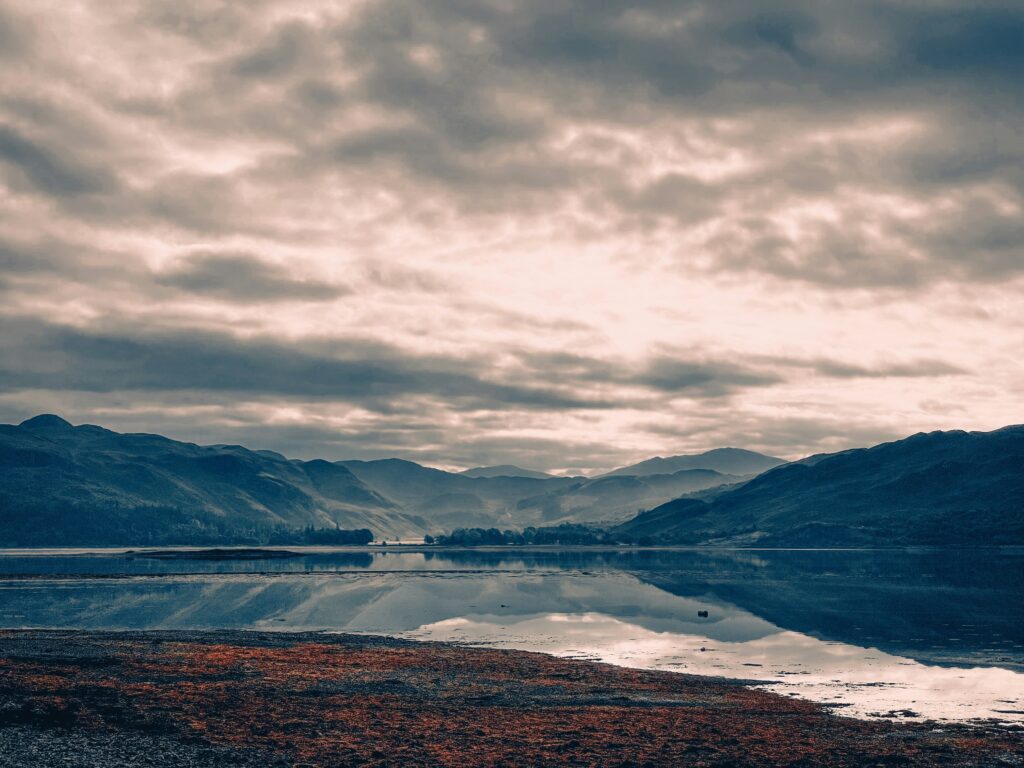
There’s a moment in Scotland when the mist rolls slowly across the hills, softening the edges of the landscape until everything feels suspended in time.
You arrive along a winding road, the Highlands unfolding in quiet drama around you—deep green valleys, distant peaks brushed with fog, and the faint outline of a castle rising from the land as if it has always belonged there. The air is cool and clean, carrying the scent of earth and heather. And somewhere in that first breath, you feel it:
This is not just another destination.
It’s something deeper. Something older. Something that stays with you.
Why Scotland Feels Different
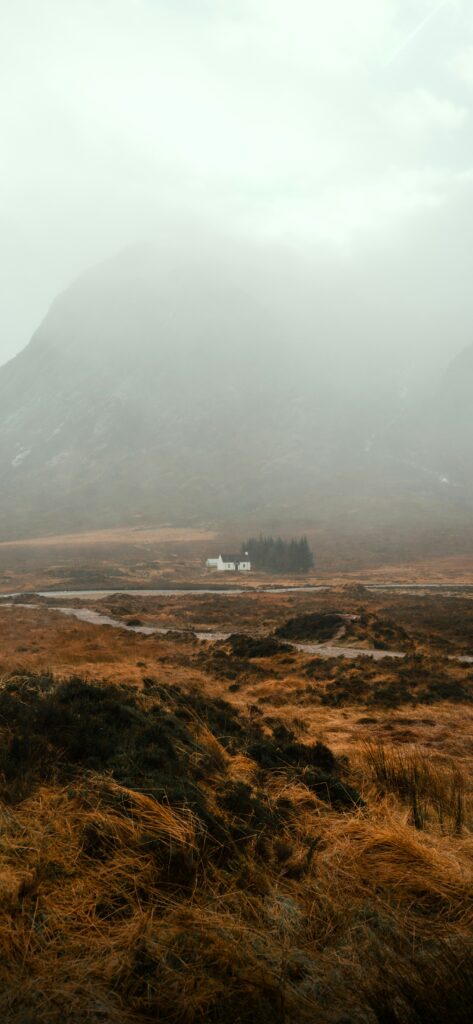
Scotland has a way of reaching beyond what you see.
Yes, the landscapes are dramatic—the Highlands, the lochs, the cliffs that seem to fall endlessly into the sea. But what makes Scotland unforgettable isn’t just its beauty. It’s the feeling that you’ve stepped into a living story.
History isn’t confined to museums here. It’s woven into the land itself.
You feel it in the quiet presence of ancient castles, in the echoes of clan heritage, in the rhythm of traditional music drifting from a village pub. Even the silence carries meaning—wide, open spaces that invite you to slow down and simply be.
For many travelers, Scotland becomes less about sightseeing and more about connection.
Connection to place.
Connection to history.
And often, connection to something within themselves they didn’t expect to find.
This emotional depth is part of what defines Scotland’s travel identity—where landscapes, heritage, and atmosphere blend into a truly immersive experience .
Signature Experiences That Define a Luxury Journey
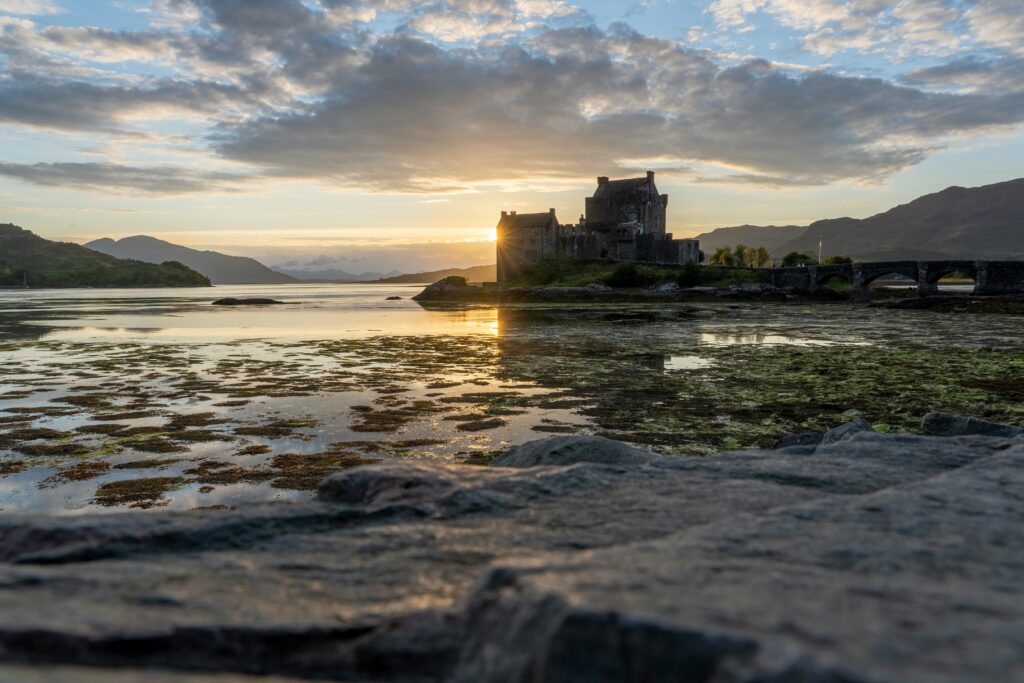
Castle Stays: Living Inside History
Imagine waking up within stone walls that have stood for centuries.
Morning light filters through tall windows. A quiet garden stretches beyond. And downstairs, a fire crackles softly as breakfast is prepared in rooms once used by nobility.
A castle stay in Scotland is not simply accommodation—it’s an experience of place.
Many of these historic estates have been carefully restored into refined luxury retreats, where antique charm meets modern comfort. You might spend your afternoon walking the grounds, trying falconry, or enjoying a private whisky tasting before retreating to a drawing room filled with stories.
It’s one of those rare travel moments that feels exactly as magical as you imagined—and perhaps even more.
The Highlands: Where the Landscape Becomes the Journey
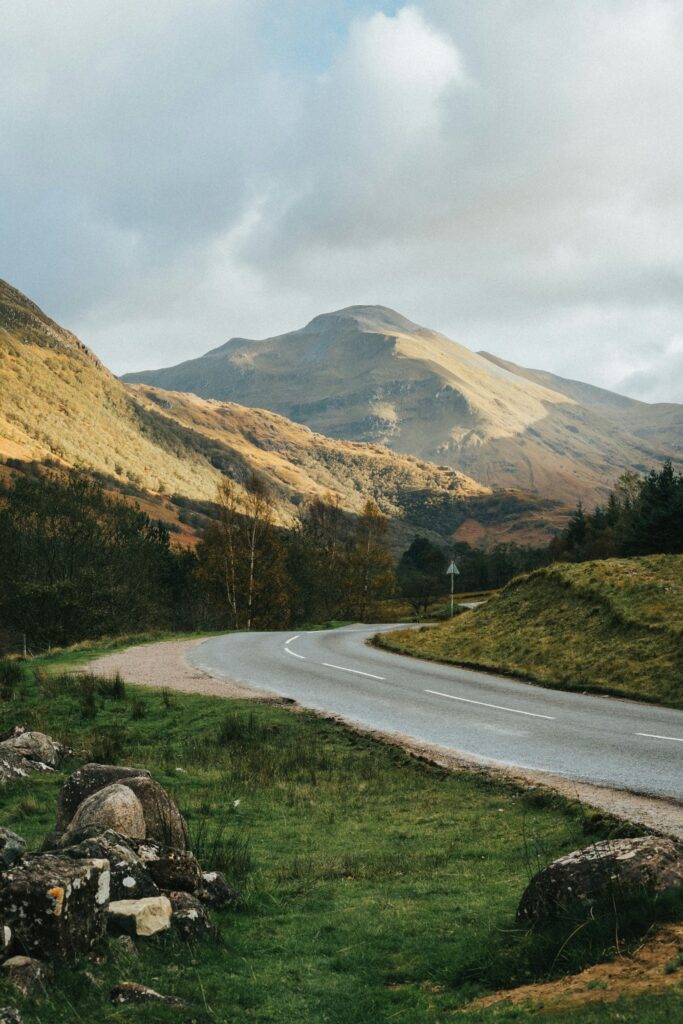
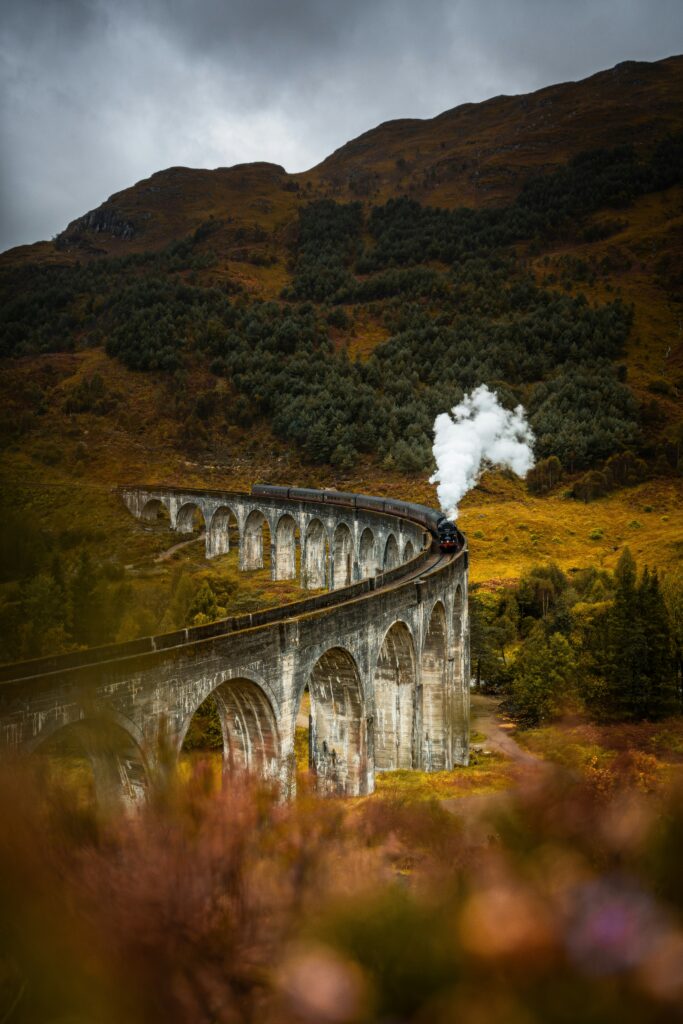
Driving through the Scottish Highlands feels like moving through a painting that never ends.
One moment you’re passing mirror-like lochs reflecting the sky. The next, you’re winding through dramatic valleys like Glencoe, where towering mountains rise sharply on either side, steeped in history and quiet power.
Then there’s the Isle of Skye—wild, remote, and impossibly beautiful. Here, waterfalls tumble from cliffs, jagged rock formations meet the sea, and the light seems to shift constantly, changing the mood of the entire landscape.
This is where Scotland reveals its most cinematic side.
And the beauty of experiencing the Highlands well is not rushing through them, but allowing the journey itself to unfold slowly—stopping when the view calls for it, lingering when a place feels special.
These scenic regions—Glencoe, the Isle of Skye, and beyond—are among Scotland’s most iconic landscapes for a reason .

Culture: Whisky, Clans & Storytelling
Scotland’s culture is as rich as its scenery.
In Speyside, the heart of whisky country, you can step inside distilleries where generations have perfected their craft. A private tasting here is not just about the whisky—it’s about the stories behind it. The land, the water, the people.
In the Highlands, clan history runs deep. For travelers with ancestral ties, visiting these regions can feel profoundly personal. Even without that connection, learning the stories of Scotland’s clans adds a layer of meaning to every landscape you pass.
And then there’s the music.
Walk into a small village pub in the evening, and you may find musicians gathered in the corner, playing traditional tunes that feel both lively and deeply rooted in history. It’s unpolished, authentic, and completely unforgettable.
These are the moments that turn a trip into a memory.
How to Experience Scotland Well
Scotland rewards those who travel thoughtfully.
One of the most common mistakes travelers make is trying to see too much, too quickly. On a map, distances may seem manageable. But in reality, Scotland invites you to slow down—to take the scenic route, to pause for unexpected views, to stay longer in places that feel meaningful.
Rushing through the Highlands, for example, means missing the quiet magic that happens between destinations.
Pacing matters.
A well-designed journey allows for balance: a few key regions explored in depth, rather than a long list of places barely experienced.
This is where custom itineraries make all the difference.
With thoughtful planning, your route flows naturally—from the historic charm of Edinburgh to the wild beauty of the Highlands, to the peaceful stillness of a countryside estate. Travel days feel intentional rather than exhausting. Experiences feel curated rather than crowded.
And perhaps most importantly, you have space to truly experience Scotland—not just see it.
A Sample 7–10 Day Journey Through Scotland
Every journey should be tailored, but to give you a sense of flow, a first trip to Scotland might unfold something like this:
You begin in Edinburgh, where cobbled streets, historic architecture, and a vibrant cultural scene create the perfect introduction. A few days here allow you to explore at a relaxed pace—wandering the Royal Mile, visiting Edinburgh Castle, and enjoying exceptional dining.
From there, you journey north into the Highlands.
The landscape shifts quickly—urban energy gives way to wide-open spaces and dramatic scenery. You might spend time in Glencoe, where the mountains feel both beautiful and haunting, before continuing toward the Isle of Skye.
On Skye, the experience becomes more remote. Days are spent exploring natural landmarks, coastal views, and quiet corners that feel untouched by time.
The journey continues through the Highlands, perhaps with a stay in a castle hotel or a countryside estate. This is where the pace softens—long dinners, peaceful surroundings, and time to simply take it all in.
If time allows, a visit to Speyside adds a cultural layer, with private whisky tastings and insight into one of Scotland’s most celebrated traditions.
Finally, you return south—carrying with you not just photos, but a collection of moments that feel deeply personal.
When to Go: Scotland Through the Seasons
Scotland is beautiful year-round, but each season offers a slightly different experience.
Spring brings a sense of renewal—lush landscapes, blooming countryside, and fewer crowds. It’s a lovely time for scenic drives and peaceful exploration.
Summer offers long daylight hours, allowing you to experience more of the landscape each day. This is the most popular time to visit, especially for first-time travelers.
Autumn is often considered one of Scotland’s most magical seasons. The colors shift into rich golds and deep greens, and the atmosphere feels especially atmospheric—perfect for those drawn to mood and quiet beauty.
Winter is quieter and more intimate. While some remote areas may be less accessible, this season offers cozy experiences—think castle stays, fireside evenings, and a slower, more reflective pace.
The Journey That Stays With You
Some places are beautiful.
And then there are places that change the way you feel.
Scotland belongs to the latter.
It’s the way the mist moves across the hills.
The way a castle appears just when you least expect it.
The way time seems to slow, just enough for you to notice everything.
Your first journey here is never just about seeing Scotland.
It’s about experiencing it.
And if you’ve been imagining a trip like this—one that feels thoughtful, seamless, and deeply personal—I’d be delighted to help you design a journey that brings it to life.
Leave a Reply